
 Pin It
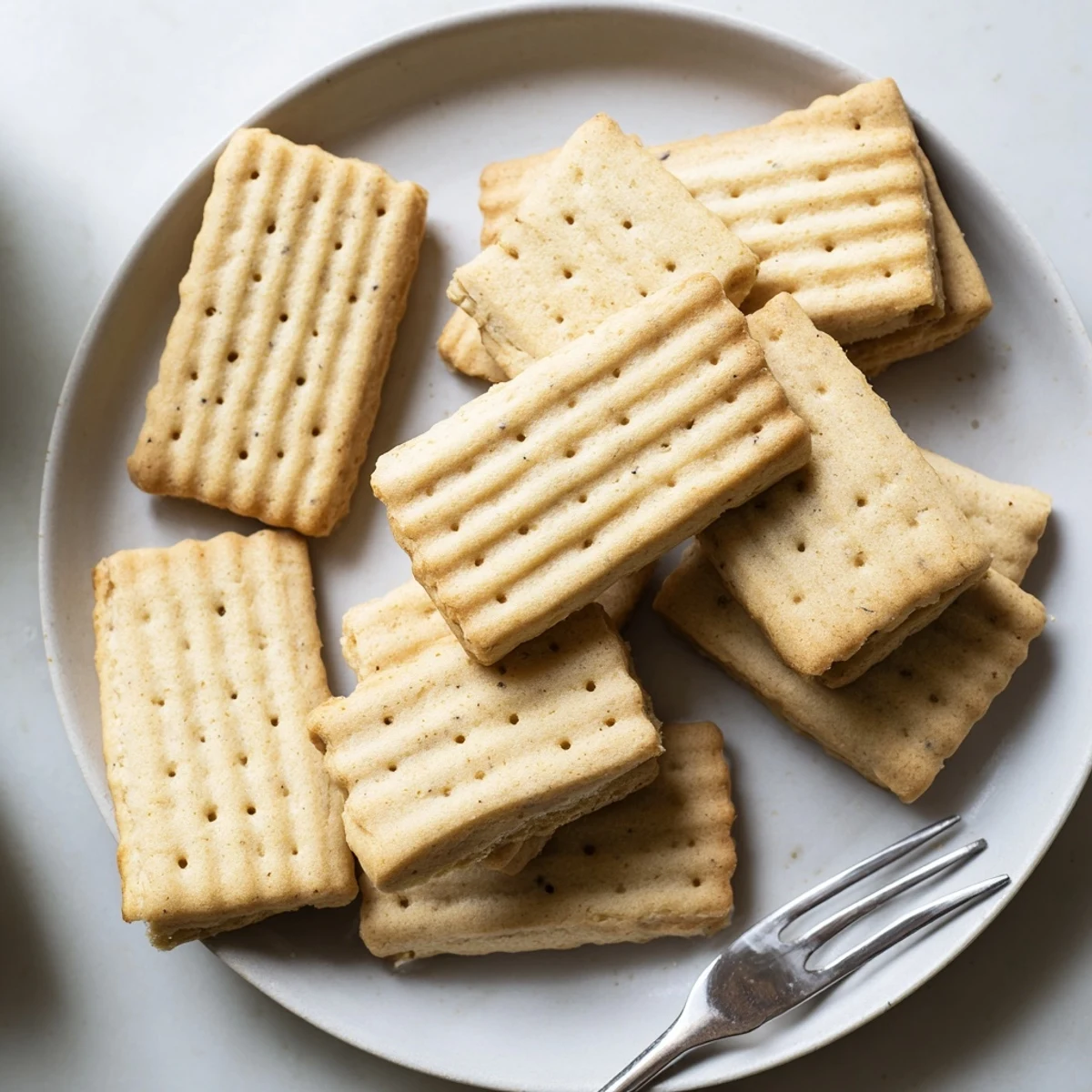
 Le petit beurre est un biscuit français emblématique, reconnu pour sa texture croustillante et sa belle couleur dorée. Originaire de Normandie, il séduit par sa simplicité et son goût délicat au beurre et à la vanille.
Sa préparation repose sur des ingrédients basiques : farine, beurre doux, sucre, lait et une touche de vanille. La pâte, facile à travailler, nécessite un repos d'une heure au réfrigérateur pour garantir un résultat optimal.
Une fois étalée finement et découpée avec un emporte-pièce cannelé, elle cuit en seulement 12 minutes au four. Ces biscuits se conservent parfaitement jusqu'à deux semaines dans une boîte hermétique.
The butter crackled softly against the saucepan, and my small kitchen filled with a warmth that had nothing to do with the oven. I had stumbled across a battered French cookbook at a flea market in Lyon, its spine barely holding on, and the page for petit beurre was the most stained of all. That told me everything I needed to know about its worth. I made them that same evening, rolling and cutting past midnight, completely captivated by how four humble ingredients could become something so charmingly perfect.
A friend dropped by unannounced one rainy Saturday, and I had nothing to offer but a tin of these golden rectangles and a pot of Earl Grey. She sat cross legged on my kitchen floor, dunking biscuit after biscuit, and declared it the coziest afternoon she had spent in months.
Ingredients
- 200 g flour: Plain all purpose flour gives the biscuit its signature snap, so resist the urge to swap in anything softer.
- 100 g sugar: Granulated sugar dissolves cleanly into the warm butter and keeps the texture delicate rather than gritty.
- 100 g unsalted butter: Good butter is the backbone here, so choose one you would happily spread on fresh bread.
- 50 ml whole milk: Whole milk adds just enough fat to bind the dough without making it heavy.
- 5 g baking powder (half a packet): A measured lift so the biscuits stay flat and crisp rather than puffing into something cakey.
- 1 pinch of salt: Salt sharpens the butter flavor and keeps the sweetness honest.
- 1 vanilla bean (or 1 packet vanilla sugar): Vanilla elevates these from simple to irresistible, and scraping the seeds directly into the warm liquid releases the most fragrant perfume.
Instructions
- Melt and mingle:
- Gently warm the butter with the milk in a saucepan over low heat, stirring until the butter has just melted, then add the sugar and vanilla, stirring until the granules dissolve completely and the mixture looks silky.
- Cool it down:
- Let the warm liquid sit for a few minutes until it is comfortable to touch, because overheated fat will melt the flour into something greasy instead of tender.
- Bring the dough together:
- Pour the cooled mixture into a large bowl, add the flour, baking powder, and salt, and mix with your hands or a spoon until the dough pulls away from the sides and feels smooth and cooperative.
- Rest in the cold:
- Shape the dough into a ball, wrap it tightly in cling film, and tuck it into the refrigerator for one full hour so it firms up enough to roll without sticking stubbornly to everything.
- Preheat the oven:
- Set your oven to 180 degrees Celsius on conventional heat, giving it a good fifteen minutes to reach temperature while the dough finishes its chill.
- Roll and cut:
- Flour your work surface lightly, roll the dough to an even three to four millimetres thick, and use a fluted rectangular cutter to stamp out each biscuit with a firm confident press.
- Arrange and dock:
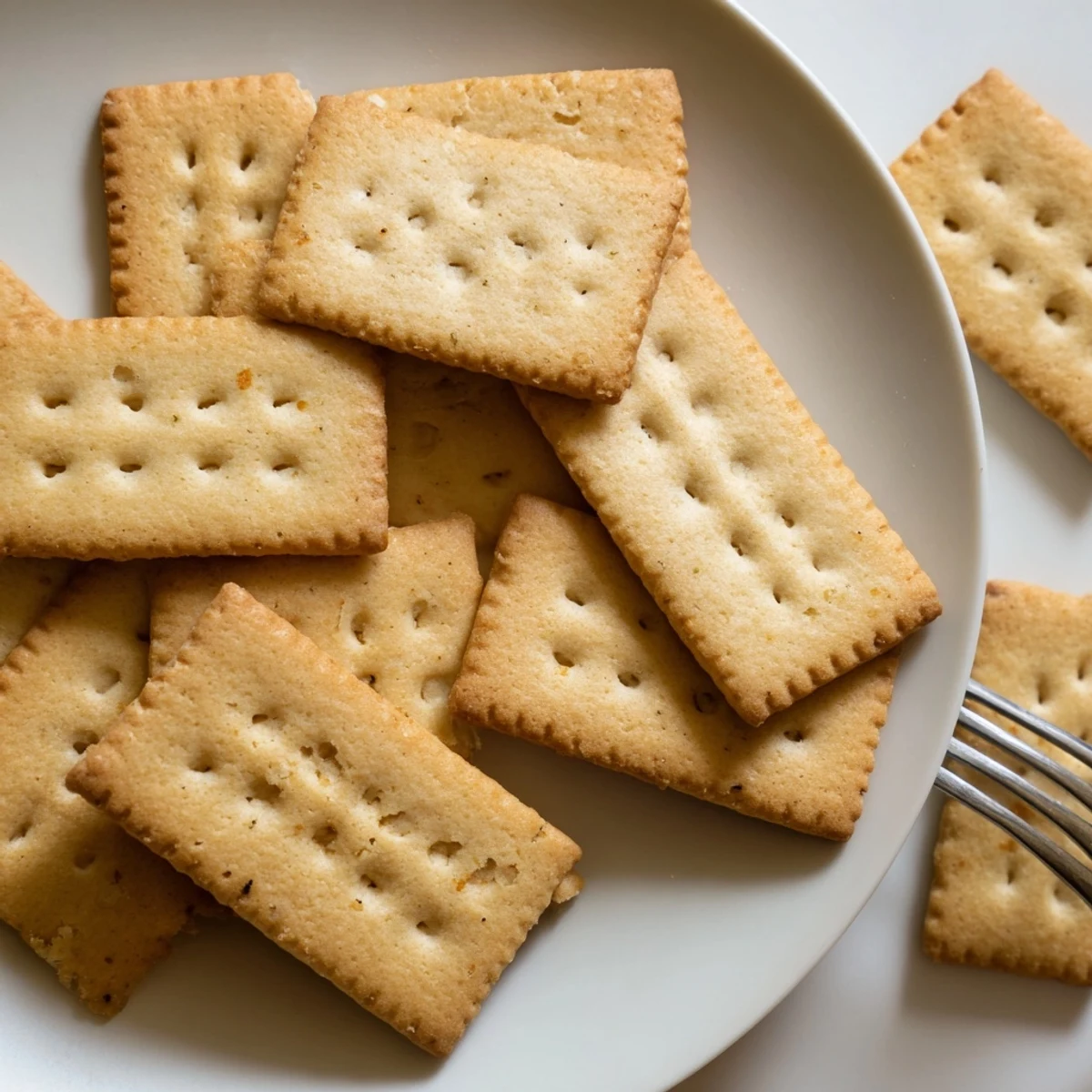
- Lay each biscuit on a parchment lined baking sheet, leaving a small gap between them, and prick the centers gently with a fork to keep them flat and give them that classic petit beurre look.
- Bake to gold:
- Slide the tray into the center of the oven for about twelve minutes, watching for the edges to turn a warm golden brown while the centers stay pale and crisp.
- Cool completely:
- Transfer the biscuits to a wire rack and let them cool entirely before eating, because their signature crunch only develops once they have lost every trace of warmth.
 Pin It
 I packed a tin of these into my suitcase before a train ride to visit my mother, and she opened it in her kitchen doorway, holding one up to the light and smiling at the neat fork holes before she even tasted it. She said they were exactly like the ones from the épicerie she visited as a child. That was the highest compliment she could have given.
A Few Simple Variations
A tablespoon of finely grated lemon zest folded into the dry ingredients gives these biscuits a brightness that pairs beautifully with afternoon tea. For something more indulgent, melt dark chocolate and dip half of each cooled biscuit, setting them on parchment until the coating sets into a glossy shell.
Storage and Keeping Fresh
A properly sealed airtight tin keeps these biscuits crisp for a full two weeks, and honestly they taste even better on the third day when the flavors have settled. Avoid storing them alongside anything moist, because butter biscuits absorb humidity quickly and lose their satisfying snap.
What to Serve With Petit Beurre
A strong espresso or a delicate Darjeeling is the most traditional pairing, but a glass of cold milk on a quiet afternoon is equally satisfying and requires no ceremony at all.
- Arrange them on a small plate with a pot of honey for drizzling when friends come over unexpectedly.
- Crush a few over vanilla ice cream for a simple dessert that feels surprisingly elegant.
- Always make a double batch, because the first tin will vanish before the weekend is over.
 Pin It
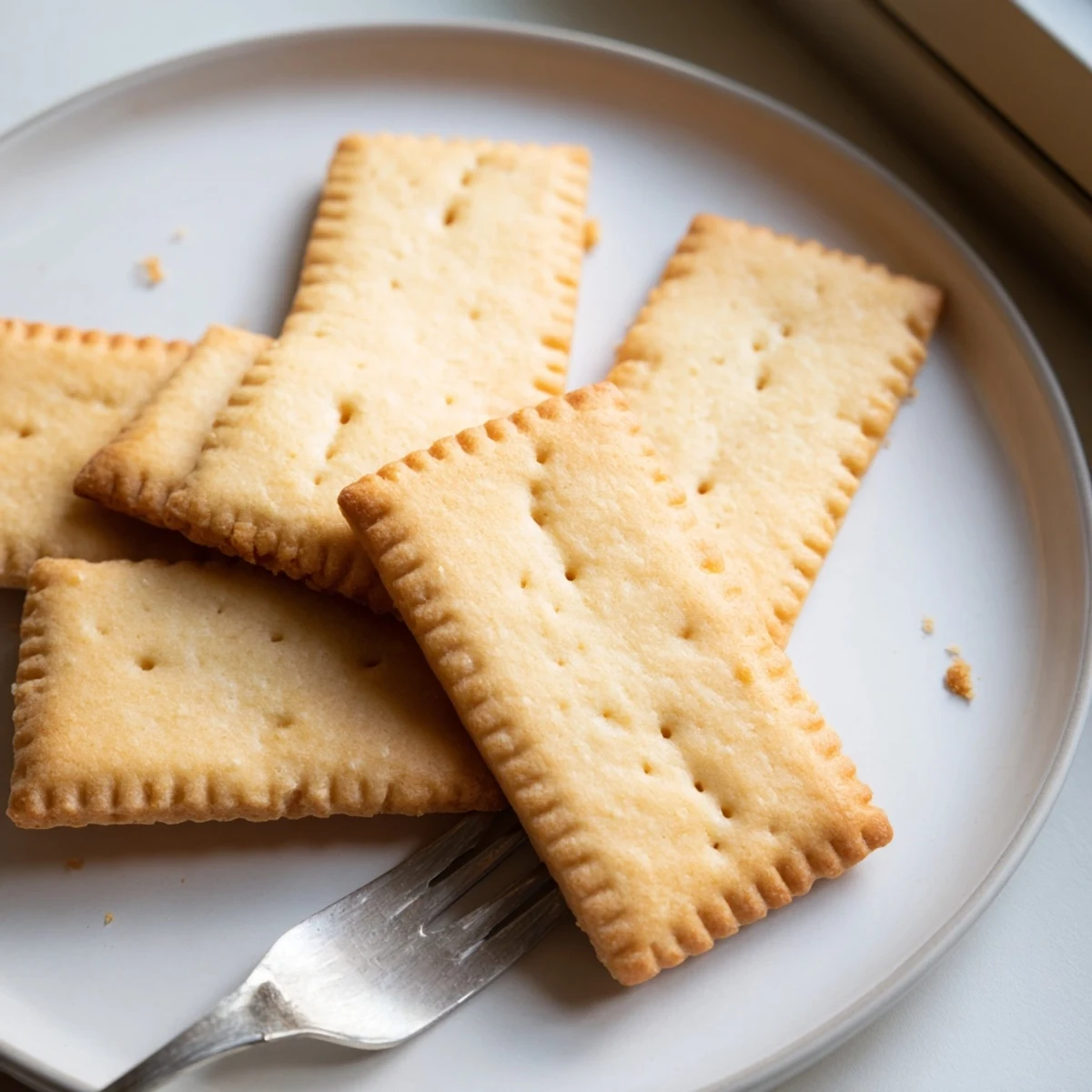
 There is a quiet joy in rolling out a simple butter dough, cutting each piece with care, and filling the kitchen with the smell of something golden and honest. These biscuits ask for almost nothing and give back far more than you expect.
Recipe FAQs
- → Pourquoi laisser reposer la pâte au réfrigérateur ?
-
Le repos au frais permet au beurre de se solidifier, ce qui rend la pâte plus facile à étaler et à découper. Il détend également le gluten de la farine, offrant une texture plus croustillante après cuisson.
- → Peut-on congserver les petits beurre ?
-
Oui, les petits beurre se congèlent très bien une fois cuits et refroidis. Placez-les dans un sac congélation et conservez-les jusqu'à trois mois. Laissez-les décongeler à température ambiante avant dégustation.
- → Quelle épaisseur idéale pour étaler la pâte ?
-
L'épaisseur recommandée est de 3 à 4 mm. Une pâte trop épaisse donnera des biscuits mous, tandis qu'une pâte trop fine les rendra cassants et secs. Un rouleau à pâtisserie avec des anneaux de calibrage facilite grandement cette étape.
- → Comment obtenir les traditionnels trous sur les biscuits ?
-
On pique la surface des biscuits avec une fourchette avant cuisson. Ces petits trous permettent à la vapeur de s'échapper pendant la cuisson, évitant que les biscuits ne gonflent et garantissant une surface bien plane et régulière.
- → Peut-on remplacer la levure chimique ?
-
La levure chimique peut être remplacée par un mélange de bicarbonate de soude et de crème de tartre à parts égales. Vous pouvez également omitre totalement la levure pour un biscuit légèrement plus dense, mais le résultat restera satisfaisant grâce au beurre et au lait.
- → Quelles variantes peut-on réaliser ?
-
Vous pouvez agrémenter la pâte avec des zestes de citron, de l'extrait d'amande ou des épices comme la cannelle. Une autre option consiste à tremper la moitié de chaque biscuit dans du chocolat fondu une fois refroidi, pour une version encore plus gourmande.
