
 Pin It
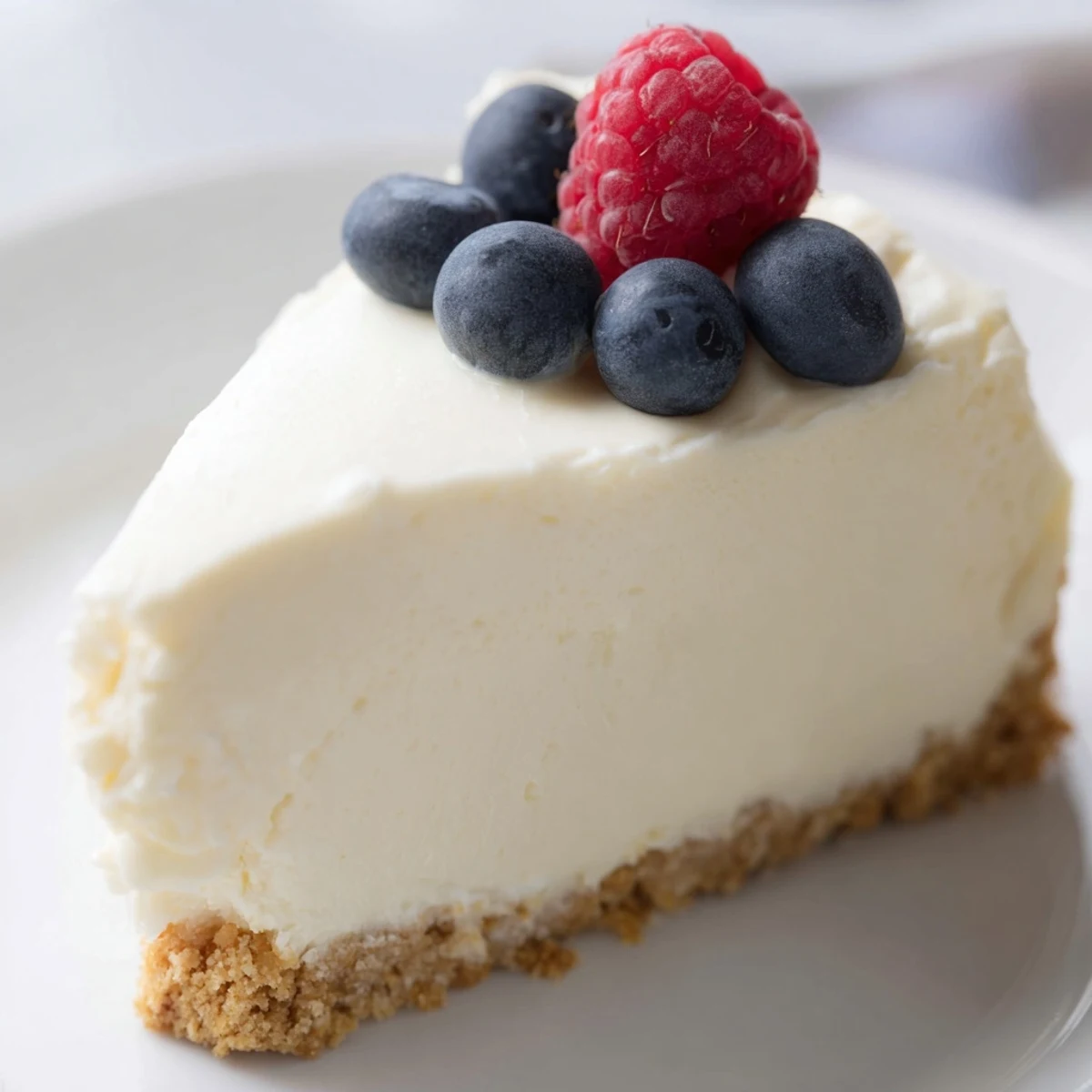
 This classic American baked cheesecake features a buttery graham cracker crust pressed into a springform pan, filled with a velvety smooth cream cheese mixture enriched with sour cream, vanilla, and a hint of lemon zest.
The secret to a crack-free finish lies in the gentle baking method: cook at a low 160°C, then let it cool slowly inside the oven with the door cracked open. A sour cream topping adds an elegant tangy finish.
Plan ahead, as the cheesecake needs at least 6 hours of chilling time, preferably overnight, to set properly. Serves 12 and pairs wonderfully with fresh berries or fruit compote.
The apartment smelled like butter and brown sugar for three days straight, and honestly, I was not mad about it. My first attempt at a proper baked cheesecake came during a rainy October weekend when I had nothing better to do than argue with a springform pan. That wobbly, golden edged result changed everything I thought I knew about desserts worth waiting for.
I brought this to a friend's potluck once and watched three people skip the entire dinner spread just to guard the dessert table. One of them quietly asked for the recipe while licking frosting off their thumb, which I took as the highest compliment.
Ingredients
- Graham crackers (200 g): The backbone of a great crust, and digestive biscuits work just as well if that is what your pantry offers.
- Unsalted butter, melted (100 g): It binds the crumbs together and adds richness, so do not skimp here.
- Sugar for crust (2 tbsp): Just enough sweetness to round out the biscuit base without competing with the filling.
- Cream cheese, softened (900 g): This is the star, so let it sit at room temperature for at least an hour or you will fight lumps all day.
- Granulated sugar (200 g): It sweetens the filling while also helping create that velvety texture.
- Large eggs (4): Added one at a time, they give the cheesecake structure without making it rubbery.
- Sour cream (200 ml for filling): The secret weapon for a tangy, creamy interior that never feels too dense.
- All-purpose flour (40 g): A small amount that prevents cracking and keeps everything stable.
- Vanilla extract (2 tsp): Use the good stuff if you have it, because the flavor really comes through.
- Lemon zest (optional): A bright little whisper that lifts the whole dessert into something special.
- Sour cream for topping (250 g): This creates a gorgeous, tangy blanket on top if you choose to add it.
- Powdered sugar (2 tbsp for topping): Sweetens the topping gently without any graininess.
- Vanilla extract for topping (1 tsp): Ties the topping flavor right back into the filling.
Instructions
- Build the foundation:
- Preheat your oven to 160 degrees Celsius (325 degrees Fahrenheit) and line a 23 cm springform pan with parchment paper so nothing sticks later.
- Press the crust:
- Crush the biscuits into fine crumbs, mix them with the sugar and melted butter, then press the mixture firmly into the bottom of your pan. Bake for 10 minutes until it smells toasty and set it aside to cool slightly.
- Whip the filling:
- Beat the softened cream cheese and sugar together until completely smooth, scraping down the bowl often. Add the eggs one at a time, mixing after each, then fold in the sour cream, flour, vanilla, and lemon zest until just combined.
- Pour and settle:
- Pour the filling over your cooled crust and tap the pan gently on the counter a few times to coax any stubborn air bubbles to the surface.
- Bake with patience:
- Bake for 50 to 60 minutes until the edges look set but the center still has a slight, confident wobble when you nudge it.
- The slow cool down:
- Turn off the oven, crack the door open, and let the cheesecake sit inside for a full hour to cool gradually and avoid dramatic cracks.
- Top it off:
- Mix the sour cream, powdered sugar, and vanilla together, then spread this mixture over the cooled cheesecake if you want that classic diner style finish.
- The long chill:
- Refrigerate for at least 6 hours or preferably overnight, then run a warm knife around the edge before releasing the springform pan to serve.
 Pin It
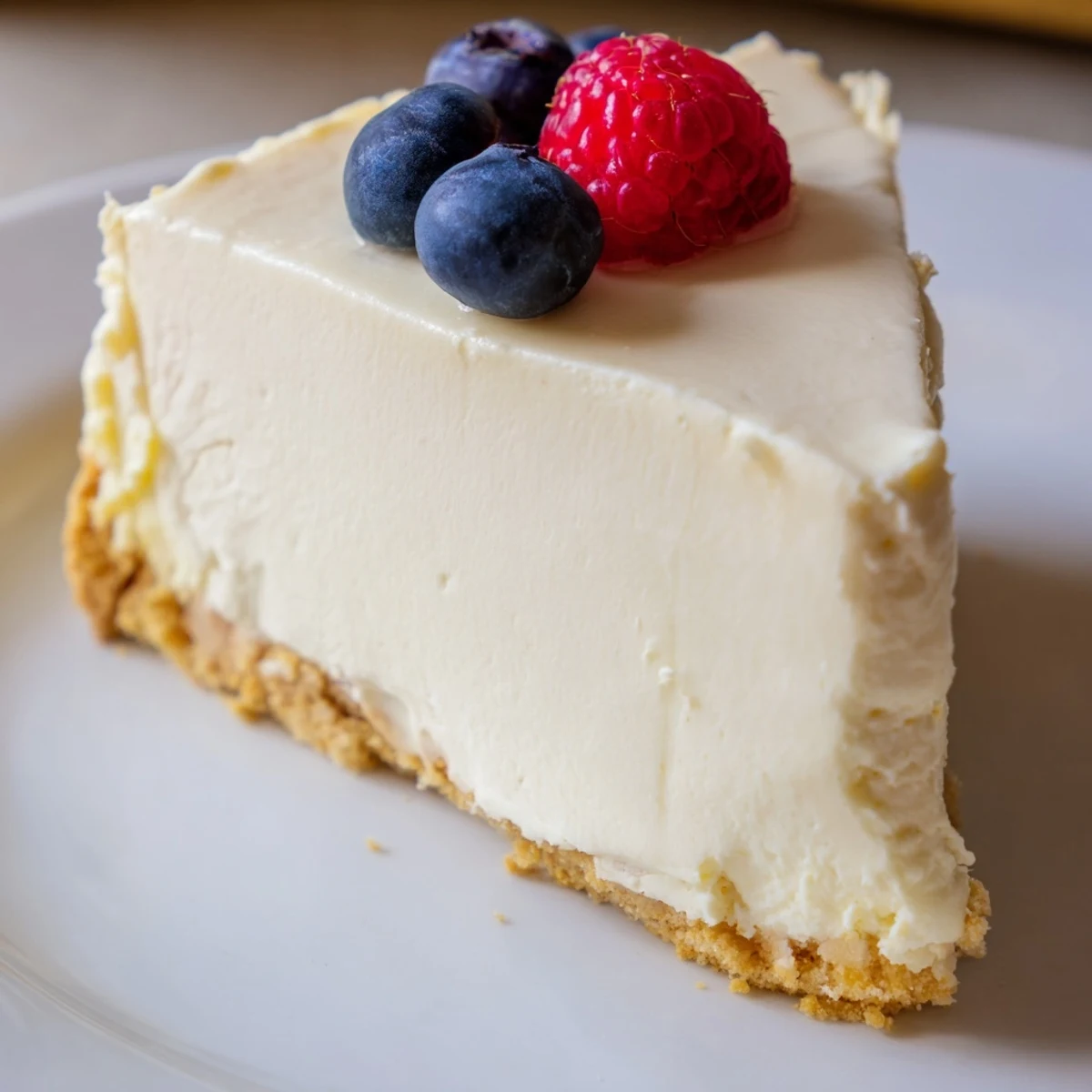
 The moment you slice into a perfectly chilled cheesecake and that first clean wedge lifts away is pure, quiet satisfaction. It is one of those rare dishes where patience genuinely becomes the most important ingredient on the list.
Getting the Crust Right
A crumbly crust is usually the result of not pressing the mixture firmly enough or skipping that brief prebake. I like to use the bottom of a measuring cup to really tamp everything down evenly, and those ten minutes in the oven make all the difference between a crust that holds together and one that disintegrates on the plate.
Mixing Without Overmixing
Once you add the flour, the clock is ticking on how much you should stir. Overmixing introduces air that expands in the oven and then collapses, leaving you with a sunken center. Fold gently and stop the moment everything looks incorporated.
Serving and Storing
This cheesecake actually tastes better on the second day when the flavors have had time to meld and the texture settles into something even creamier. Store it covered in the refrigerator for up to five days.
- A warm knife dipped in hot water and wiped clean between cuts gives you those bakery perfect slices.
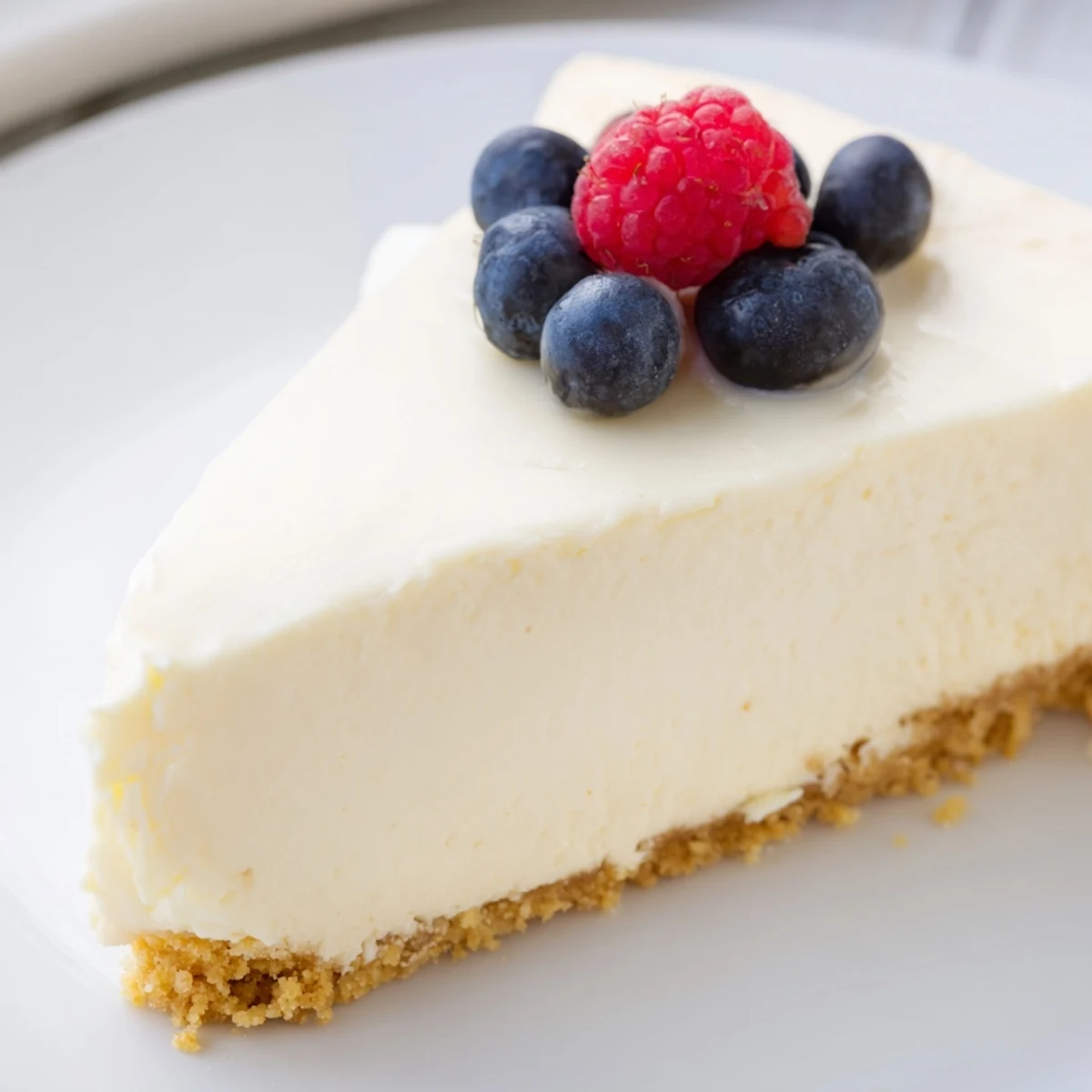
- Fruit compote, chocolate sauce, or fresh berries all belong on top, so follow your mood.
- Let slices sit at room temperature for about fifteen minutes before eating so the chill softens and the flavor opens up.
 Pin It
 Every cheesecake you make teaches you something new, and that is what keeps pulling me back to this recipe. Share it with someone who thinks they do not like cheesecake, and watch them change their mind.
Recipe FAQs
- → Why did my cheesecake crack on top?
-
Cracks usually form from overmixing the batter, which incorporates too much air, or from sudden temperature changes. Beat the filling just until combined and always let the cheesecake cool gradually inside the oven with the door slightly open.
- → Can I make cheesecake without a springform pan?
-
While a springform pan makes removal much easier, you can use a regular deep cake pan lined with parchment paper, leaving enough overhang to lift the cheesecake out once fully chilled and set.
- → How do I know when the cheesecake is done baking?
-
The edges should be set and slightly golden, but the center should still have a gentle jiggle when you tap the pan. It will continue to set as it cools and chills. Overbaking leads to a dry texture.
- → Can I freeze cheesecake?
-
Yes, cheesecake freezes exceptionally well. Wrap individual slices or the whole cheesecake tightly in plastic wrap and aluminum foil. Freeze for up to 3 months and thaw overnight in the refrigerator before serving.
- → What toppings go well with cheesecake?
-
Fresh berries, strawberry or cherry compote, chocolate ganache, caramel sauce, or a simple dusting of powdered sugar all pair beautifully. The sour cream topping in this version adds a lovely tangy contrast.
- → How long should cream cheese be softened before mixing?
-
Let cream cheese sit at room temperature for about 30 to 60 minutes before making the filling. Properly softened cream cheese ensures a smooth, lump-free batter. You can also microwave it in 15-second intervals if short on time.
