
 Pin It
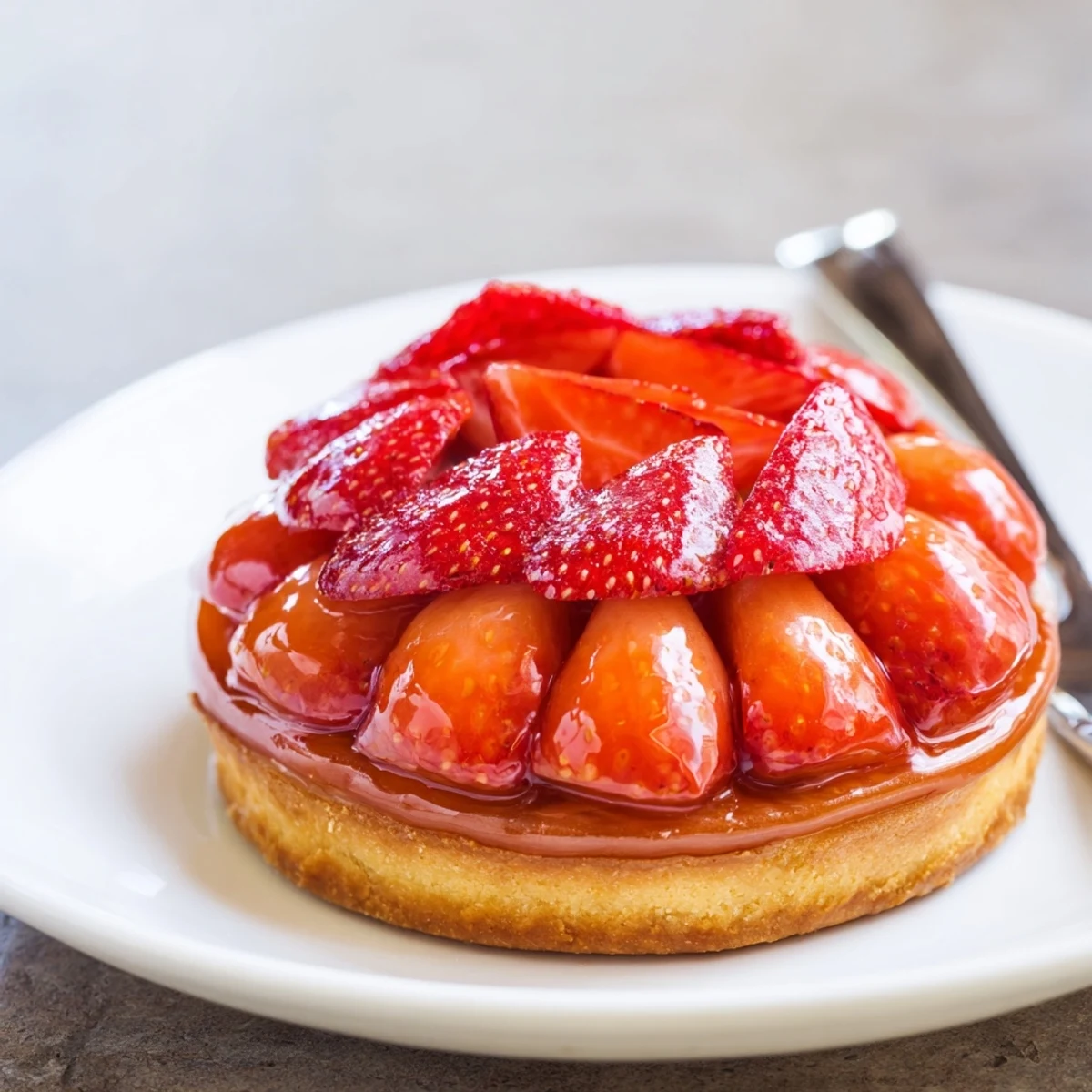
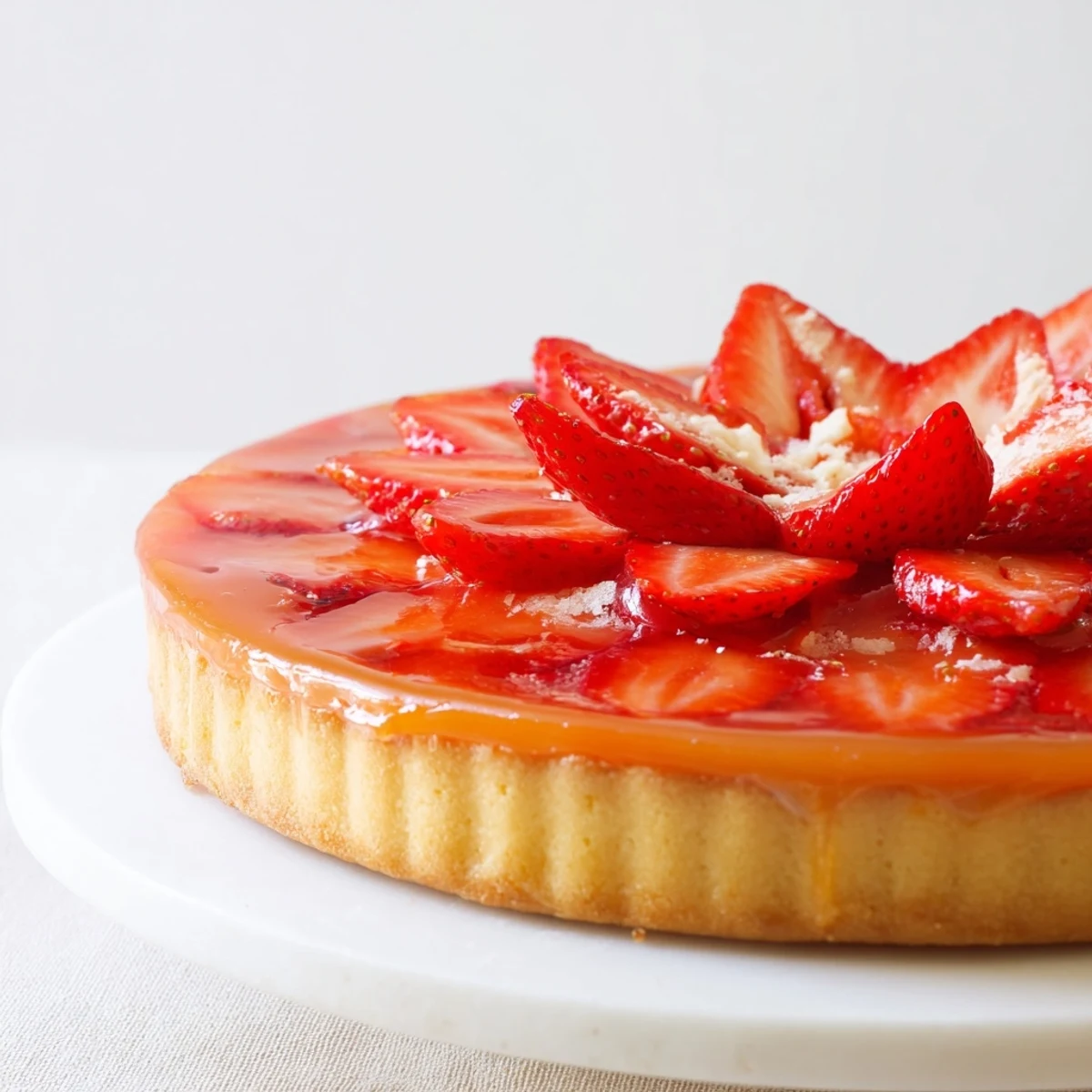
 Cette tarte aux fraises conjugue une pâte sablée croustillante, une crème pâtissière onctueuse et des fraises fraîches nappées d'un voile d'abricot. Préparez la pâte, réfrigérez 30 min, cuisez-la à blanc 30 min puis laissez refroidir. Préparez la crème en chauffant le lait à la vanille, épaississez avec jaunes et maïzena, incorporez le beurre. Garnissez la base, disposez les fruits et nappez. Refroidir 1 h avant service.
Whenever strawberries first show up in abundance at the market, their sweet aroma mixing with the bustle and chatter, that's when I start craving a classic tarte aux fraises. One afternoon, driven partly by the sudden summer rain and the urge to bake something bright, I decided the time was right to make this elegant French treat. The gentle stirring of warm pastry cream and arranging rows of glossy red berries felt like a tiny celebration of the season right in my kitchen. Sometimes it's the hum of the fridge and the scent of butter that remind you, dessert can bring a little ceremony to an ordinary day.
I remember serving this tarte aux fraises on a lazy Sunday when some friends dropped by unannounced. Flour dusted my shirt, laughter echoed around the table, and somehow even the slightly uneven strawberry arrangement turned into a friendly debate over who found the prettiest slice. It felt like everyone was in on the joke that sometimes the best desserts are the ones made with a little improvisation and a lot of goodwill.
Ingredients
- Farine (flour): Using all-purpose flour gives the crust its tender, sandy texture—a trick I learned after trying both pastry and cake flour, only to find this classic performs best.
- Beurre doux (unsalted butter): Cold, cubed butter straight from the fridge is essential so the dough stays flaky and never greasy.
- Sucre glace (powdered sugar): Powdered sugar dissolves smoothly into the dough, lending extra tenderness without much mess.
- Œuf (egg): The egg brings everything together—don’t skip it or try just yolks, the result simply isn’t as cohesive.
- Sel (salt): A pinch of salt sharpens the other flavors and keeps the sweetness lively.
- Lait entier (whole milk): If you only use it for coffee, this is your excuse to splurge; full-fat milk creates the dreamiest pastry cream.
- Gousse de vanille ou extrait de vanille (vanilla bean or extract): Real vanilla, scraped straight from the pod if you have it, perfumes the entire tart—a sensory moment worth the extra step.
- Sucre (sugar): For both crust and cream, I use superfine sugar whenever possible for its effortless melting.
- Jaunes d’œufs (egg yolks): Four yolks (don’t be shy!) promise a rich, custardy filling that sets up silky yet sliceable.
- Maïzena (cornstarch): Cornstarch thickens the pastry cream without any starchy aftertaste—sift it if you tend to get lumps.
- Confiture d’abricot (apricot jam): The glossy glaze is more than just pretty—I've learned it also keeps the fruit juicy longer if not eating right away.
- Fraises fraîches (fresh strawberries): Always pick the ripest berries you can find; wash them just before you slice so they don't get soggy.
- Eau (water): A splash of water helps loosen the apricot jam for a perfect brushing consistency.
Instructions
- Gather and chill:
- Set all your ingredients out before you begin, and cube your butter as cold as possible—this makes the dough a breeze.
- Make the pâte sablée:
- In a large mixing bowl, toss together flour, sugar, and salt, then quickly work in the butter with your fingertips until the mixture looks like coarse sand. Add the egg and keep mixing just until everything holds together, no more—press into a flat disc, wrap, and chill for 30 minutes.
- Parbake the tart shell:
- Roll out the dough between sheets of parchment, gently fit it into your tart tin, and prick the base all over. Line with parchment, add pie weights, and bake at 180°C for 20 minutes; then remove weights and let it brown lightly for 10 more minutes.
- Cook the pastry cream:
- Heat milk and vanilla in a saucepan until steaming, savoring the aroma as it rises. Meanwhile, whisk egg yolks and sugar until pale, then add cornstarch—pour in a splash of hot milk, whisk well, then return everything to the pan and stir until thick and glossy; off the heat, stir in butter for velvety finish.
- A cool smooth layer:
- Press cling film directly onto the surface of the cream to prevent skin, then cool completely.
- Prep the strawberries:
- Hull and slice the strawberries whichever way pleases you—halves, quarters, or thin fans, making sure each piece is dry and vibrant.
- Assemble the tart:
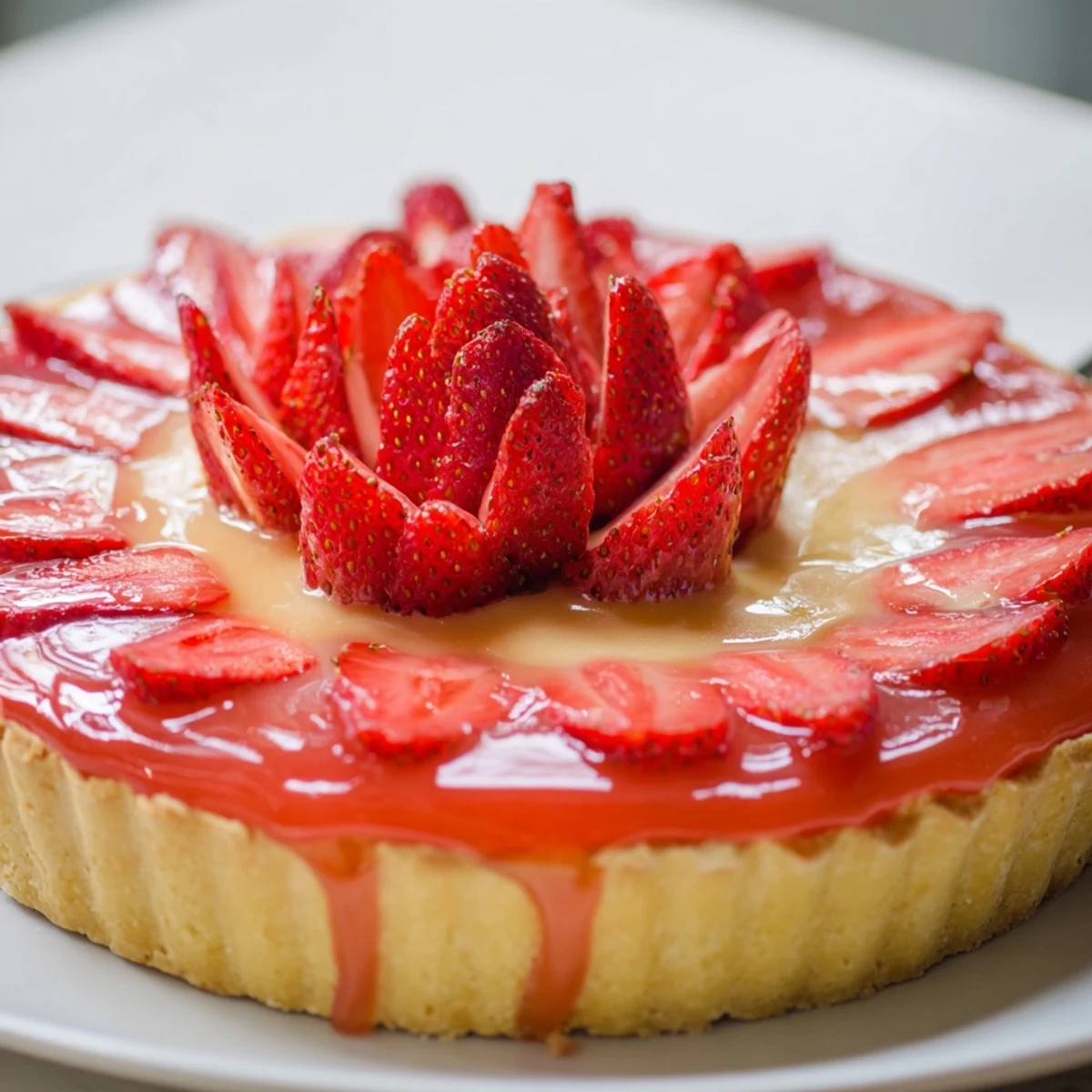
- Spoon cooled pastry cream into the shell, smoothing it edge to edge for a satisfying finish. Arrange strawberry slices in overlapping circles, letting your instincts guide the design.
- The glossy finish:
- Warm apricot jam with a bit of water in a small pan until fluid, then gently brush over the strawberries for a jewel-like shine.
- Chill and serve:
- Refrigerate the tart for at least an hour to meld the flavors—then present with pride, knife in hand, and wait for the first wide-eyed smiles.
 Pin It
 Watching a friend's face light up as she tasted her first slice, her smile sticky with jam and cream, I realized this tarte is more than dessert—it’s an act of generosity. Passing plates, swapping strawberry tips, and the chorus of spoons scraping up every last bite felt like a moment suspended between seasons.
Troubleshooting Pastry Cream
Don’t panic if your custard looks a bit lumpy at first; a vigorous whisk over gentle heat usually works out any kinks. Pastry cream thickens fast, so stick close by and don’t be tempted to walk away for even a minute. If things get out of hand, pressing it through a sieve can bring it back to silky smoothness.
Simple Garnish Swaps
Sometimes I swap a few strawberries for fresh raspberries or add a scatter of toasted almonds on top for crunch. A touch of lemon zest in the cream brightens everything, especially on warmer days. The possibilities aren’t endless, but they make the tart feel new every year.
Making It in Advance
On busy weekends, I bake the tart shell and cook the pastry cream the day before, assembling just before guests arrive so everything stays crisp and fresh. A little planning like this makes the process relaxed rather than rushed. And when extra strawberries threaten to go soft, this tart is their highest calling.
- If your pastry cracks, patch it up with a bit of leftover dough before prebaking.
- Always let the baked shell cool fully before filling or it may turn soggy.
- Remember to keep the finished tart in the fridge until ready to slice—warm weather makes those berries slip.
 Pin It
 This tarte aux fraises has taught me the pleasure in slowing down and savoring each layer, from the shortcrust up to the very last berry. May your kitchen be filled with sweet, bright moments too.
Recipe FAQs
- → Comment réussir la pâte sablée sans qu'elle ne rétrécisse ?
-
Travaillez la pâte rapidement, gardez le beurre bien froid et laissez reposer au frais au moins 30 minutes avant de l'étaler. Piquez le fond et cuisez à blanc avec poids pour éviter qu'elle ne gonfle.
- → Quelle est l'astuce pour une crème pâtissière lisse ?
-
Délayez la maïzena dans un peu de sucre ou de lait froid avant de l'ajouter aux jaunes, incorporez le lait chaud progressivement en fouettant puis chauffez à feu moyen sans cesser de remuer jusqu'à épaississement.
- → Peut-on remplacer la confiture d'abricot pour le nappage ?
-
Oui : un nappage neutre (gelée légère) ou un sirop de sucre chauffé avec un peu de citron fonctionne bien. Bien filtrer pour obtenir une brillance transparente.
- → Comment conserver la tarte et combien de temps ?
-
Conserver au réfrigérateur sous film alimentaire ou cloche pâtissière jusqu'à 48 heures. Pour préserver la texture, nappez les fraises juste avant de servir si possible.
- → Des substitutions pour une version sans lactose ?
-
Remplacez le lait entier par une boisson végétale riche (avoine ou soja) et utilisez une margarine de cuisson pour remplacer le beurre; la texture peut être légèrement différente mais reste séduisante.
- → Comment choisir et préparer les fraises pour le montage ?
-
Choisissez des fraises fermes et mûres, lavez-les rapidement, égouttez et équeutez. Coupez selon la taille pour une disposition harmonieuse et nappez délicatement pour éviter de les détremper.
