
 Pin It
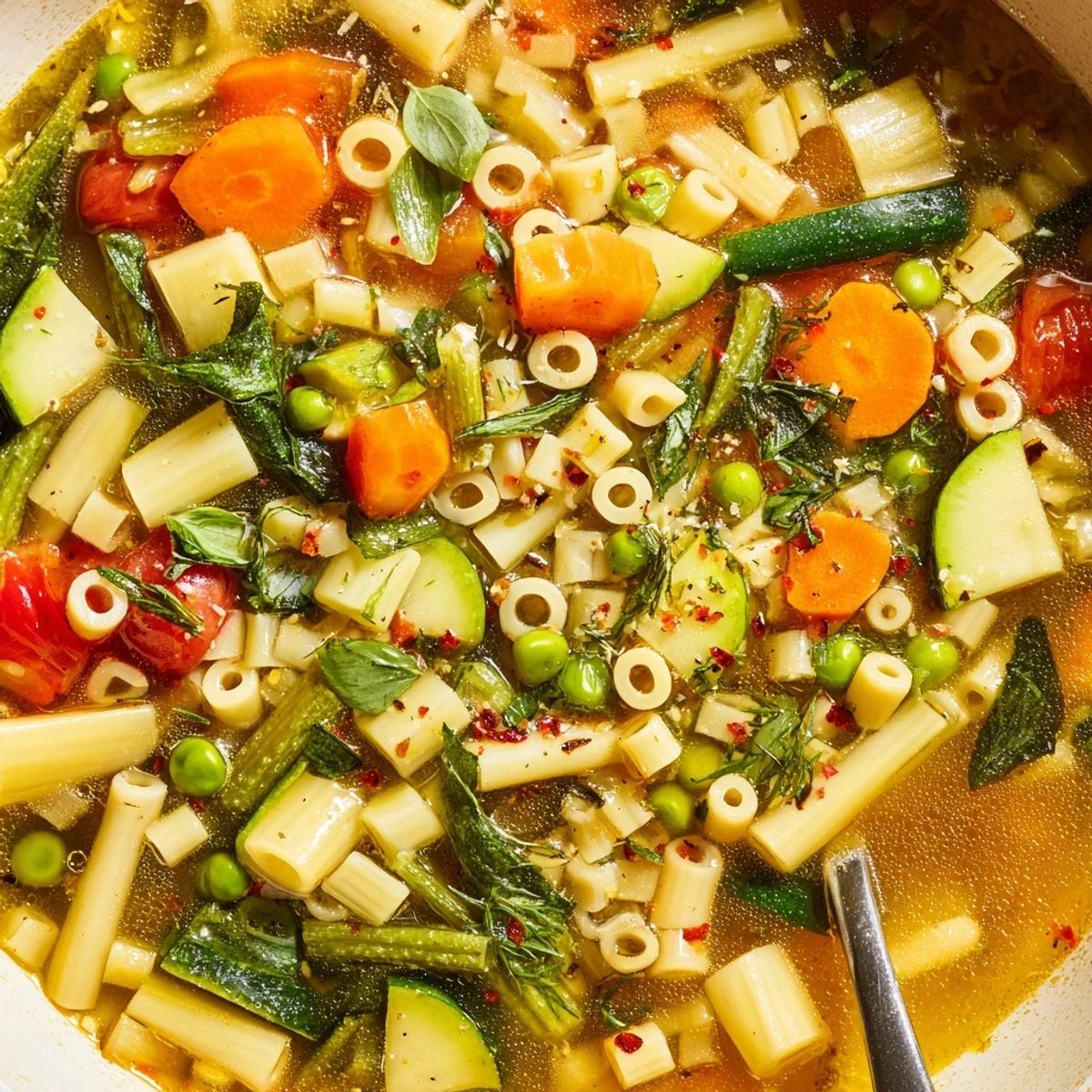
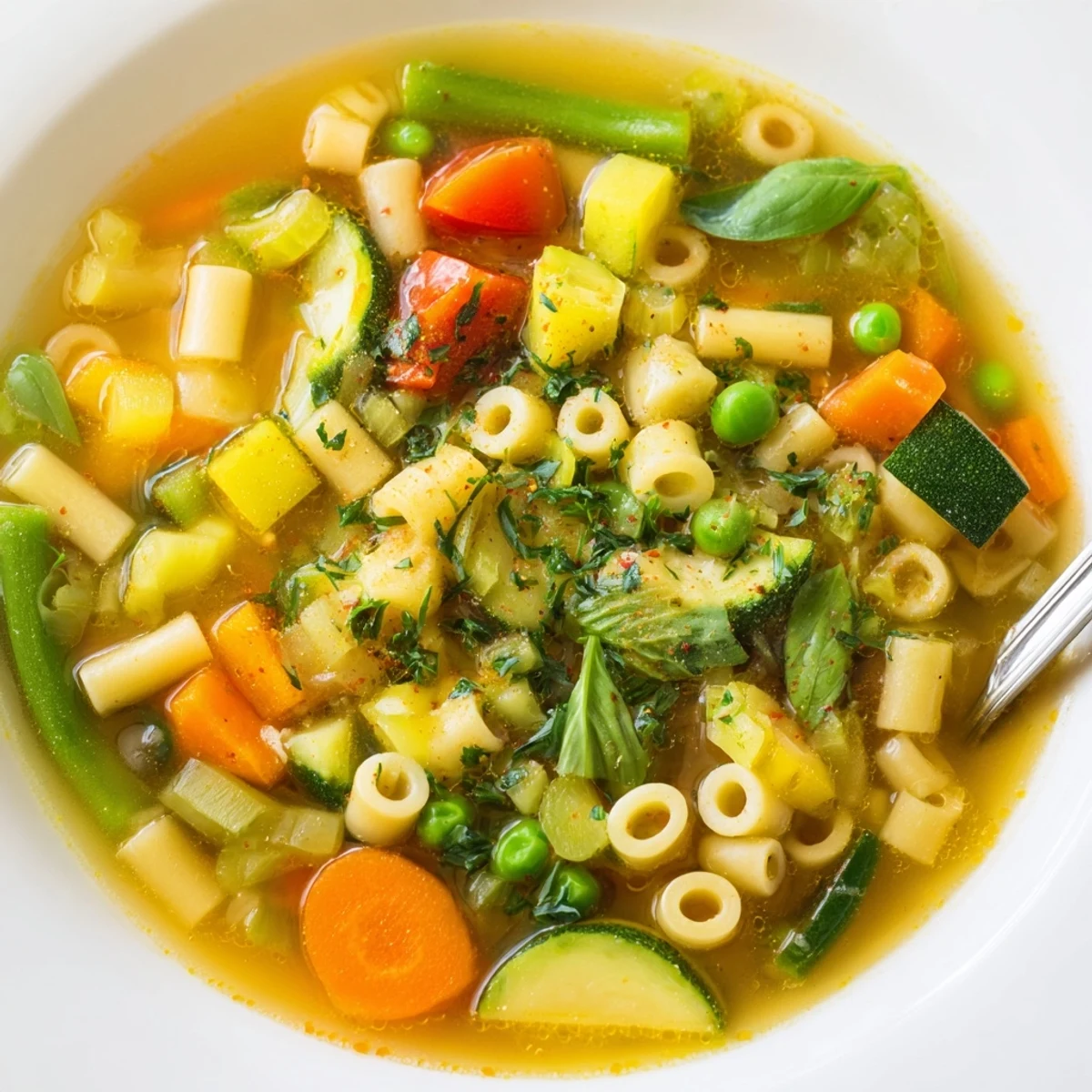
 This spring minestrone brings tender pasta, peas, zucchini, green beans, spinach and cherry tomatoes together in a fragrant vegetable broth. Sauté onion, garlic, carrots and celery, add broth and pasta, simmer until al dente, then stir in greens and fresh herbs. Ready in about 50 minutes and serves four—finish with grated Parmesan and a drizzle of olive oil.
The first time I made spring minestrone, the air in my kitchen felt charged with possibility. Chopping green beans and watching cherry tomatoes tumble across the cutting board, I found myself humming along with the birds outside, drawn in by the colors and scents of new season vegetables. There was no fanfare, just the quiet joy of letting each ingredient shine. Maybe it had something to do with the way fresh basil hit the hot broth and made the whole room smell like a garden after rain.
I remember once serving this to friends after a long day spent digging in the community garden—there was dirt under our nails and laughter in the air, and nobody could stop asking for another ladleful. Something about the blend of fresh vegetables and silky pasta seemed to restore us all. Even the ones who claimed to be "not soup people" cleaned their bowls. That evening, the conversation drifted as easily as the steam rising from our mugs.
Ingredients
- Olive oil: Adds luscious depth and helps soften the onions; a drizzle at the end brings everything together.
- Yellow onion: Choose a small and fresh one for a sweet, mellow backdrop.
- Garlic: Don't rush; let it release its fragrance without scorching it during sauté.
- Carrots: Dice them evenly to ensure every spoonful gets a hint of their sweetness.
- Celery: Gives a gentle crunch and earthiness—make sure it's bright green and not limp.
- Zucchini: Quick to cook, it soaks up broth and flavor beautifully.
- Peas: Fresh or frozen work great; stir them in at the right time so they stay tender.
- Green beans: Trim ends and cut into tidy pieces for easy eating; they add vibrant green pop.
- Baby spinach: Tossed in at the end, so it wilts perfectly but stays bright.
- Cherry tomatoes: The burst of tanginess they lend highlights every bite.
- Vegetable broth: Use good quality—it’s the base that carries all the flavors.
- Small pasta (ditalini or orzo): Just enough to give the soup heartiness without overwhelming the veggies.
- Salt and black pepper: Go easy at first, adjust near the end as flavors meld.
- Red pepper flakes: Optional, but just a pinch will wake things up.
- Fresh basil, parsley, dill: Don’t skimp—herbs make this taste of the season; add them right at the finish.
- Freshly grated Parmesan cheese: A flourish at the table—skip or swap for vegan cheese if needed.
- Extra virgin olive oil: A glossy drizzle adds both richness and aroma.
Instructions
- Start the sizzle:
- Pour olive oil into your biggest soup pot, and as it shimmers, add onion and garlic; breathe in—their scent tells you when they’re ready.
- Build the base:
- Toss in carrots and celery, stirring as they soften and mingle, letting the kitchen fill with their sweet promise.
- Layer the freshness:
- Add zucchini, green beans, and cherry tomatoes, cooking them just until they blush and glisten.
- Broth and bubbles:
- Pour in the vegetable broth gently and bring everything to a happy, gentle boil.
- Pasta and peas go in:
- Scatter your pasta and peas, stirring now and then, simmering until the pasta still has a little bite and the veggies are just tender.
- Leafy finish and herbs:
- Add spinach, basil, parsley, and dill with a sprinkle of salt, black pepper, and a touch of red pepper flakes; let everything hug together as the spinach wilts.
- Bowl up and finish:
- Ladle generously, then shower with Parmesan and drizzle with olive oil—maybe a last little rain of herbs just because.
 Pin It
 There was one afternoon it poured rain just as I dished up this soup, and suddenly my kitchen felt like the coziest spot in the world. We sat around with soup bowls warming our hands, uninterrupted by phones or plans, and for that hour—thanks to vibrant minestrone—everything seemed simpler.
How to Change Up Your Minestrone
Sometimes I let curiosity guide my ingredient choices, tossing in thin asparagus spears or fava beans when I spot them at the market. There’s no need to be precious—this is a recipe built for what looks best and freshest on any given day. Once, even a handful of leftover cooked potatoes made their way in, and the soup refused to complain.
A Few Words on Garnishes
Finishing touches might look optional, but they can absolutely transform the experience. Even a simple drizzle of fruity extra virgin olive oil right before serving brings all the flavors to attention. Sometimes, a lemon wedge on the side makes every spoonful taste even brighter.
Shortcuts and Stirrings from the Soup Pot
I’ve found minestrone is forgiving—if dinner needs to come together even quicker, I’ll use frozen vegetables or whatever small pasta is handy. Don’t forget that swapping in gluten-free pasta works beautifully if needed, especially when friends with dietary needs come to dinner. This soup has rescued more rushed weeknights than I can count.
- If the broth looks low, add a splash more water and re-season before serving.
- Leftovers thicken up overnight—just add a bit of broth to bring them back to life.
- Double the herbs if you love a more fragrant soup.
 Pin It
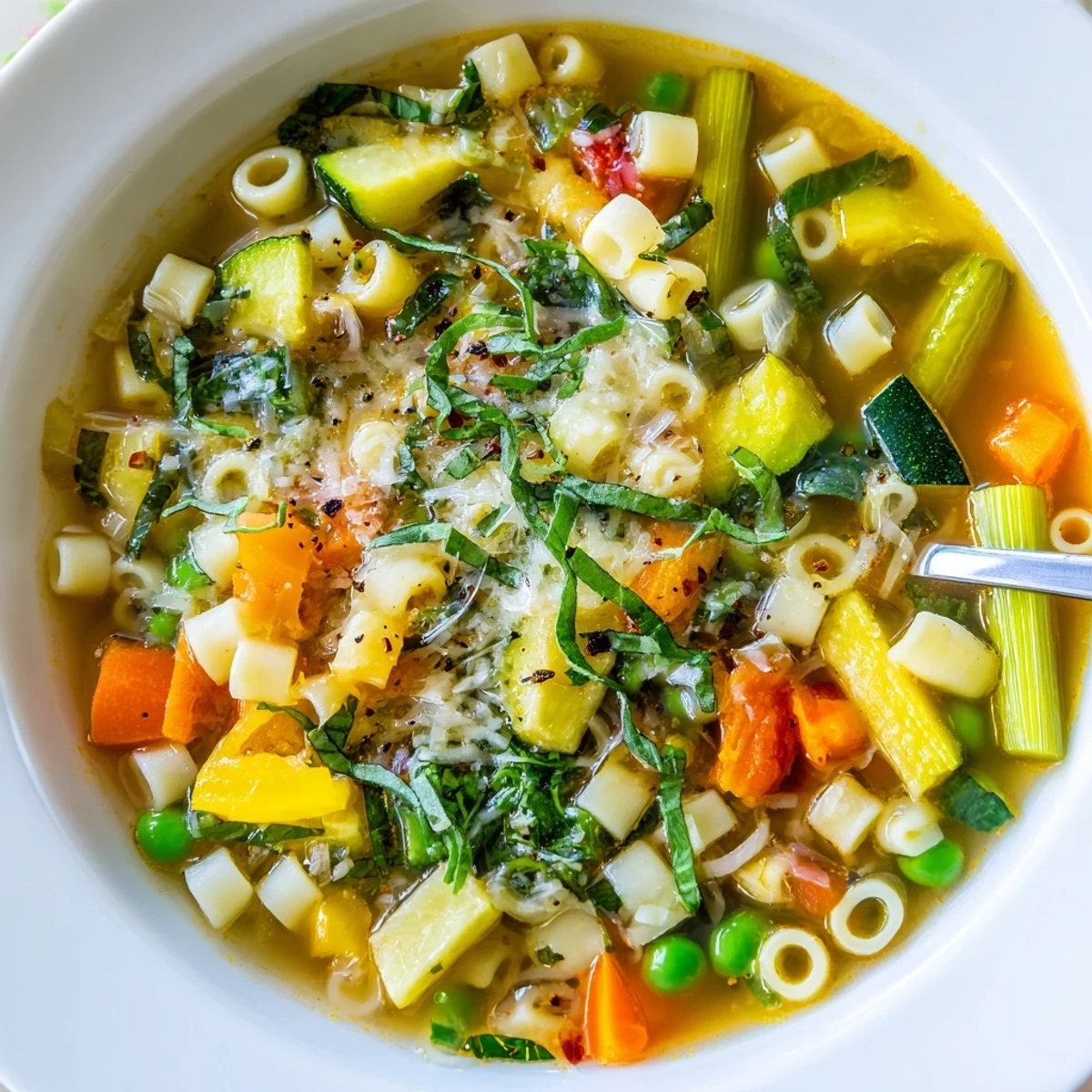
 Let each bowlful remind you of what spring tastes like: light, green, and full of hope. A little extra Parmesan or a second bowl is not just allowed—it’s encouraged.
Recipe FAQs
- → Can I use frozen vegetables?
-
Yes. Frozen peas and mixed vegetables work well—add them straight into the simmering broth. Reduce overall simmer time slightly if vegetables are thawed to avoid overcooking.
- → Which pasta shape works best?
-
Small shapes like ditalini, orzo or small shells are ideal; they tuck into the broth and vegetables. Cook to al dente so the pasta keeps texture when reheated.
- → How can I make it vegan?
-
Use vegetable broth and omit the Parmesan or swap for a plant-based grated cheese. Finish with a drizzle of extra-virgin olive oil and fresh herbs for richness.
- → Is it okay to add beans?
-
Absolutely. Canned cannellini or navy beans add protein and body—drain and rinse them, then stir in when the pasta is nearly done so they warm through without falling apart.
- → How should I store and reheat leftovers?
-
Keep cooled soup in an airtight container in the fridge for up to 3 days. Reheat gently on the stove, adding a splash of broth or water if it thickens; refresh with herbs before serving.
- → How do I adjust seasoning and texture?
-
Taste toward the end and add salt, black pepper or red pepper flakes as needed. For a creamier texture, mash a portion of the soup or pulse briefly with an immersion blender, then stir in herbs and olive oil.
