
 Pin It
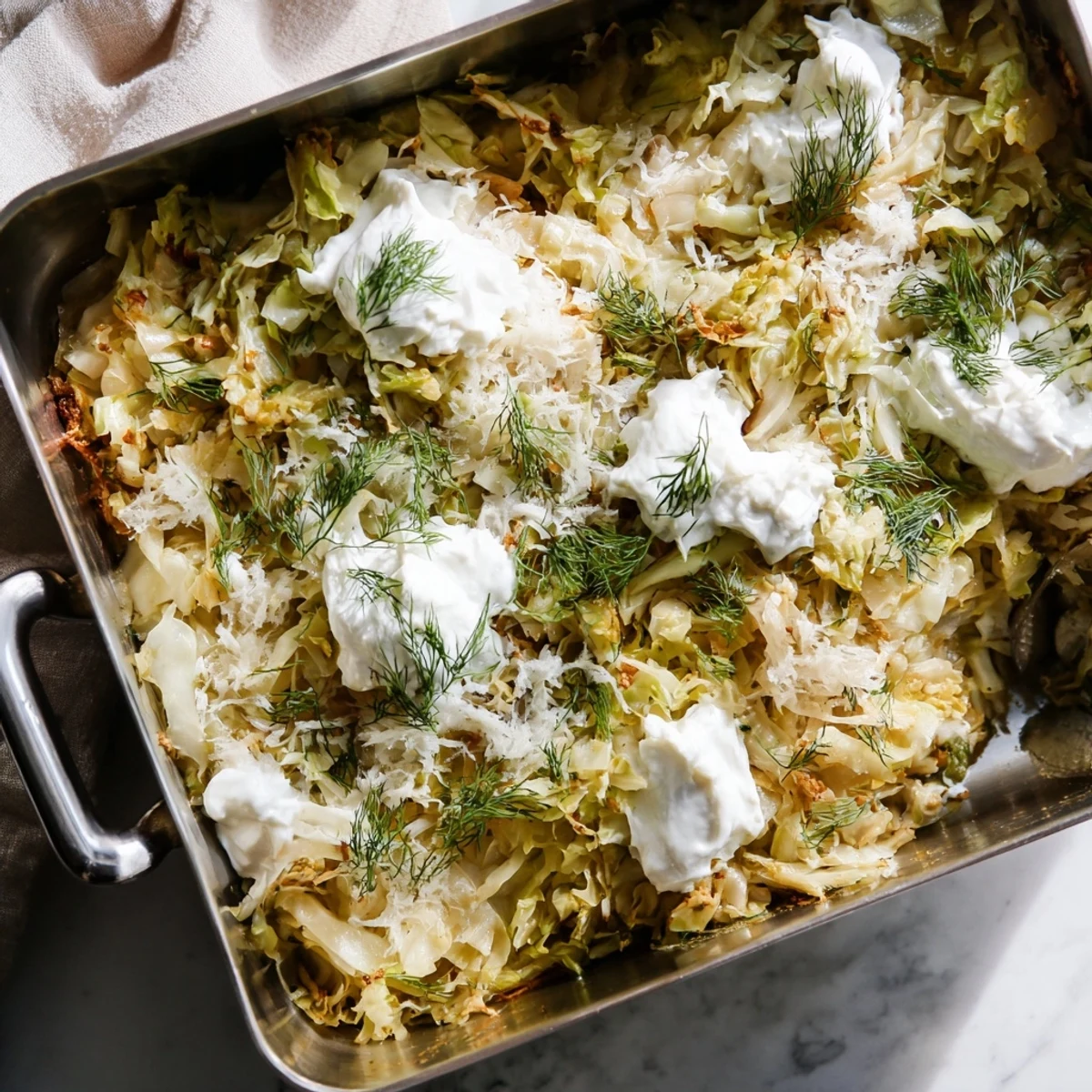
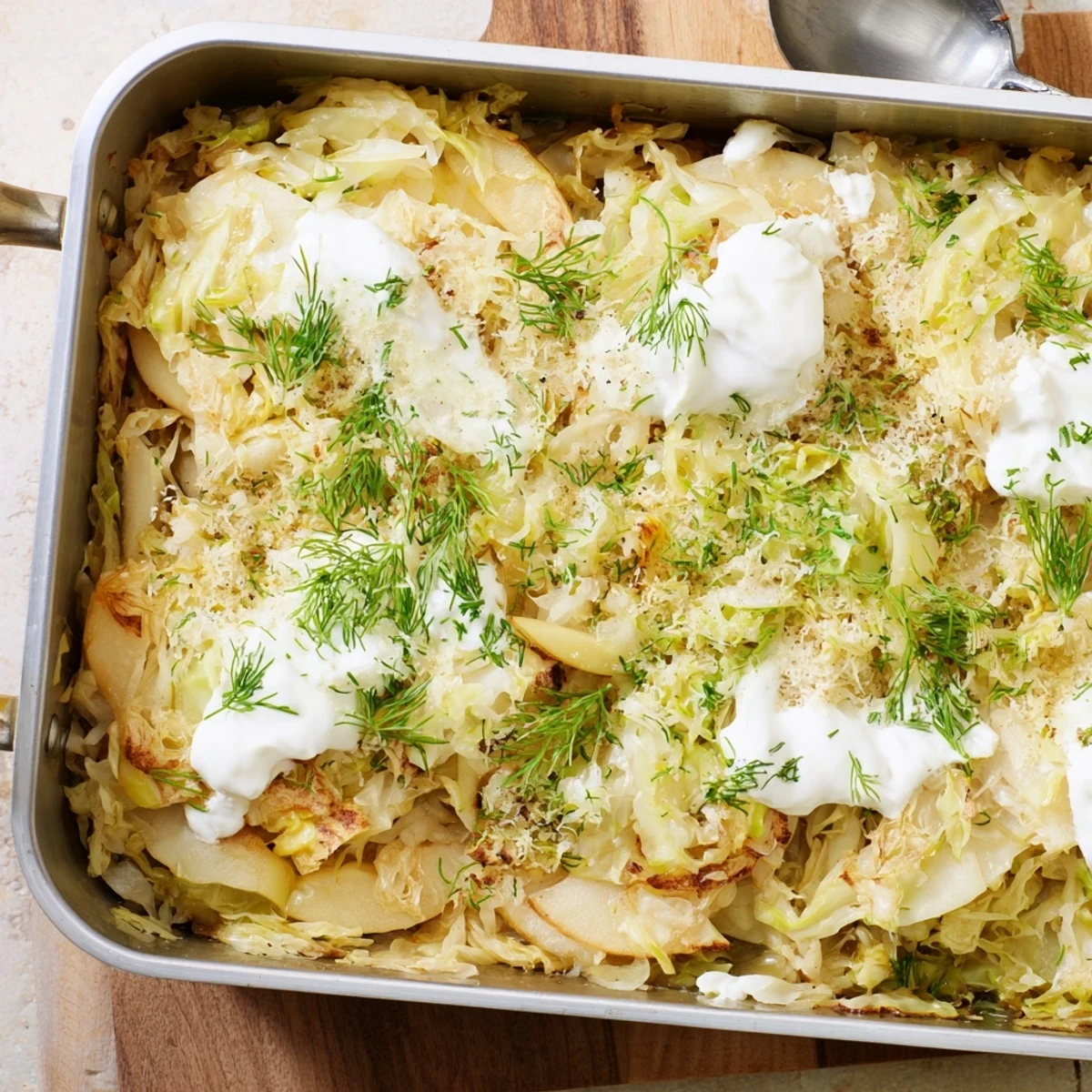
 This satisfying bake combines thinly sliced green cabbage with tangy sauerkraut, slowly roasted to develop deep, savory flavors. The aromatic caraway seeds and smoked paprika add warmth, while a hint of grated apple balances the acidity. After two hours in the oven, the vegetables become meltingly tender with lightly caramelized edges. Perfect served with crusty bread or boiled potatoes for a complete meal.
The smell of cabbage roasting low and slow in my grandmother's kitchen is something my nose remembers before my brain does. She never called it a casserole, just layered cabbage, and she made it on Sunday afternoons when the house was already warm from the wood stove. Years later I found myself recreating it from scattered notes on the back of an envelope, adding sauerkraut because that is what the fridge offered on a cold January evening.
One November I brought this to a potluck where everyone else showed up with elaborate meat dishes and fancy appetizers, and I almost felt embarrassed setting down a casserole of cabbage. By the end of the night it was scraped clean while half the other plates still sat full, and three people asked for the recipe before I even got my coat on.
Ingredients
- 1 medium green cabbage (about 2 lb): Core it and slice into thin strips because thinner strands roast more evenly and soften beautifully.
- 2 medium onions: Thinly sliced so they melt into the layers and provide a sweet backbone.
- 2 cloves garlic: Minced fine since garlic distributes its flavor better when chopped small.
- 2 large carrots: Grated on the large holes of a box grater for color and subtle sweetness.
- 3 cups sauerkraut: Drained and lightly rinsed so the tang is present but does not overpower everything.
- 1 apple: Peeled and grated, it tempers the acidity of the sauerkraut in a way sugar never could.
- 1 cup vegetable broth: Keeps everything moist during the long roast.
- 1/4 cup dry white wine: Optional but it adds a brightness that water simply cannot replicate.
- 2 tbsp olive oil: For sauteing the base vegetables and greasing the dish.
- 1 tsp caraway seeds: The soul of this dish, giving it that unmistakable Eastern European warmth.
- 1 tsp smoked paprika: Adds a gentle smokiness that makes the whole casserole taste like it cooked over an open fire.
- 1/2 tsp ground black pepper and 1/2 tsp salt: Adjust to taste as sauerkraut already brings salt.
- 2 tbsp fresh dill: Chopped plus extra for garnish because dill and cabbage are old friends.
- 1/2 cup sour cream and 1/4 cup grated cheese: Both optional toppings that turn a simple side into something indulgent.
Instructions
- Warm the oven:
- Preheat to 325 degrees F and rub a 3 quart casserole dish with a little olive oil so nothing sticks later.
- Build the flavor base:
- In a large skillet over medium heat, warm the olive oil and saute the sliced onions until they turn translucent and fragrant, about 5 minutes, then stir in the minced garlic for one more minute until you can smell it bloom.
- Soften the cabbage:
- Add the shredded cabbage to the skillet and cook it gently, stirring every so often, until it wilts down and loses its stiffness, roughly 5 to 7 minutes, then fold in the grated carrots, salt, pepper, caraway seeds, and smoked paprika.
- Prep the sauerkraut layer:
- In a bowl, toss the drained sauerkraut with the grated apple and chopped dill so the flavors start mingling before they even hit the oven.
- Layer it all up:
- Spread half the cabbage mixture across the bottom of your prepared dish, then cover it with half the sauerkraut mixture, and repeat both layers once more so every bite has contrast.
- Moisten and cover:
- Pour the broth and wine evenly over the layered casserole, then seal the dish tightly with foil or a lid to trap all the steam inside.
- Slow roast:
- Slide it into the oven and let it cook undisturbed for 1 hour while your kitchen fills with the most comforting aroma you can imagine.
- Finish uncovered:
- Remove the foil, raise the heat to 375 degrees F, and bake for another 30 to 45 minutes until the top turns golden and most of the liquid has cooked away.
- Add the optional topping:
- If you are using sour cream and cheese, spread them over the top during the last 10 minutes and let them melt into a creamy, golden finish.
- Rest and serve:
- Let the casserole sit for 10 minutes so the layers settle, then scatter fresh dill over the top and bring it to the table.
 Pin It
 There is something about scooping a portion of this onto a plate on a cold evening that makes the whole house feel like it is taking care of you.
Making It Your Own
I have tossed sauteed mushrooms between the layers when I wanted something heartier, and once I added cooked brown lentils which turned it into a genuinely filling main course that even a devoted meat eater at my table went back for seconds on.
What to Serve Alongside
Crusty bread is the simplest companion because you will want something to soak up the tangy juices at the bottom of the dish, though boiled potatoes work just as well if that is what you have on hand.
Getting the Texture Right
The difference between a good cabbage casserole and a great one comes down to how much liquid remains at the end, so trust the uncovered baking time to do its work.
- If your casserole still looks soupy after 45 minutes uncovered, give it another 10 to 15 minutes.
- Covering too tightly during the first hour can create excess condensation, so use foil rather than a heavy lid if possible.
- Remember that the casserole will release a bit more liquid as it rests before serving.
 Pin It
 This is the kind of recipe that reminds you how the simplest ingredients, given enough time and a little patience, can become the thing everyone asks for again and again.
Recipe FAQs
- → Can I make this ahead of time?
-
Yes, assemble the dish up to 24 hours in advance and refrigerate. Add 10-15 minutes to the baking time if baking cold from the refrigerator.
- → What can I use instead of sauerkraut?
-
Fermented kimchi makes an excellent spicy alternative, or use fresh cabbage with extra lemon juice and salt for a non-fermented version.
- → Is this suitable for freezing?
-
This freezes beautifully. Cool completely, wrap tightly in foil and freeze for up to 3 months. Thaw overnight and reheat at 350°F until warmed through.
- → Can I add protein to make it more filling?
-
Absolutely. Layer in cooked lentils, white beans, or browned sausage between the cabbage and sauerkraut for extra protein and heartiness.
- → Why is caraway seed traditionally used?
-
Caraway seeds have been used in Eastern European cooking for centuries because their distinct anise-like flavor pairs perfectly with fermented cabbage and cuts through rich flavors.
- → How do I know when it's done?
-
The dish is ready when the cabbage is completely tender, the top is lightly golden, and most of the liquid has been absorbed. A fork should easily pierce through all layers.
