
 Pin It
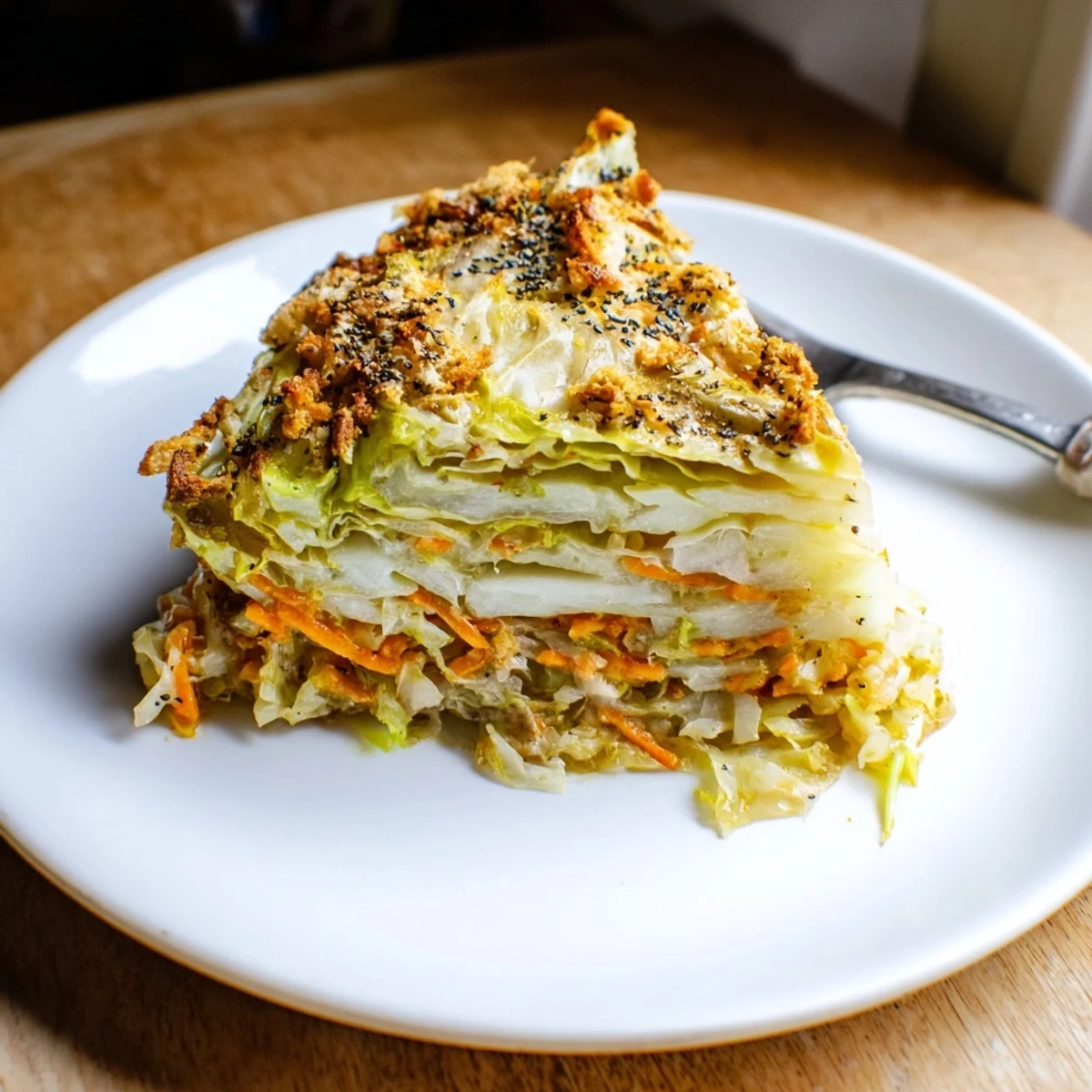
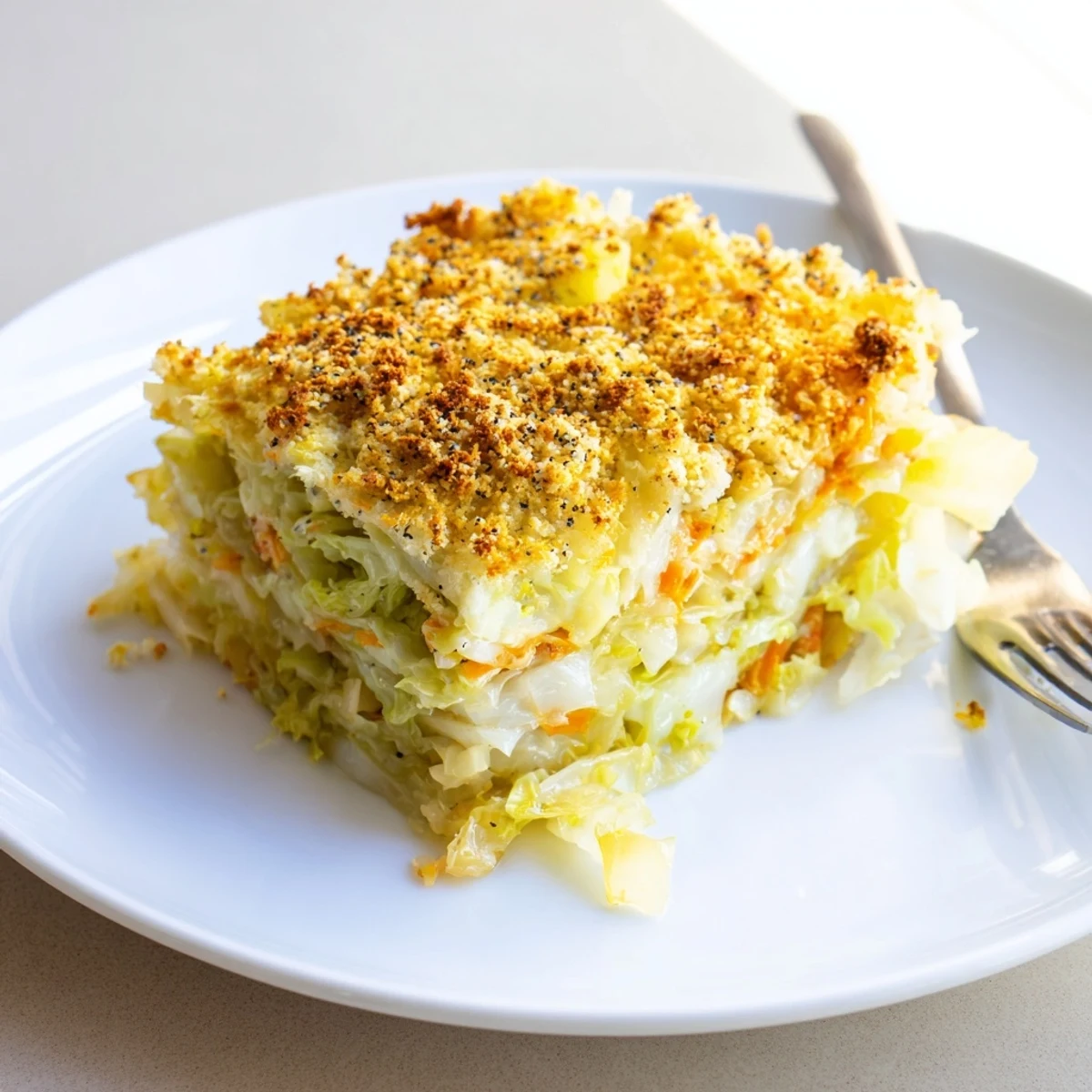
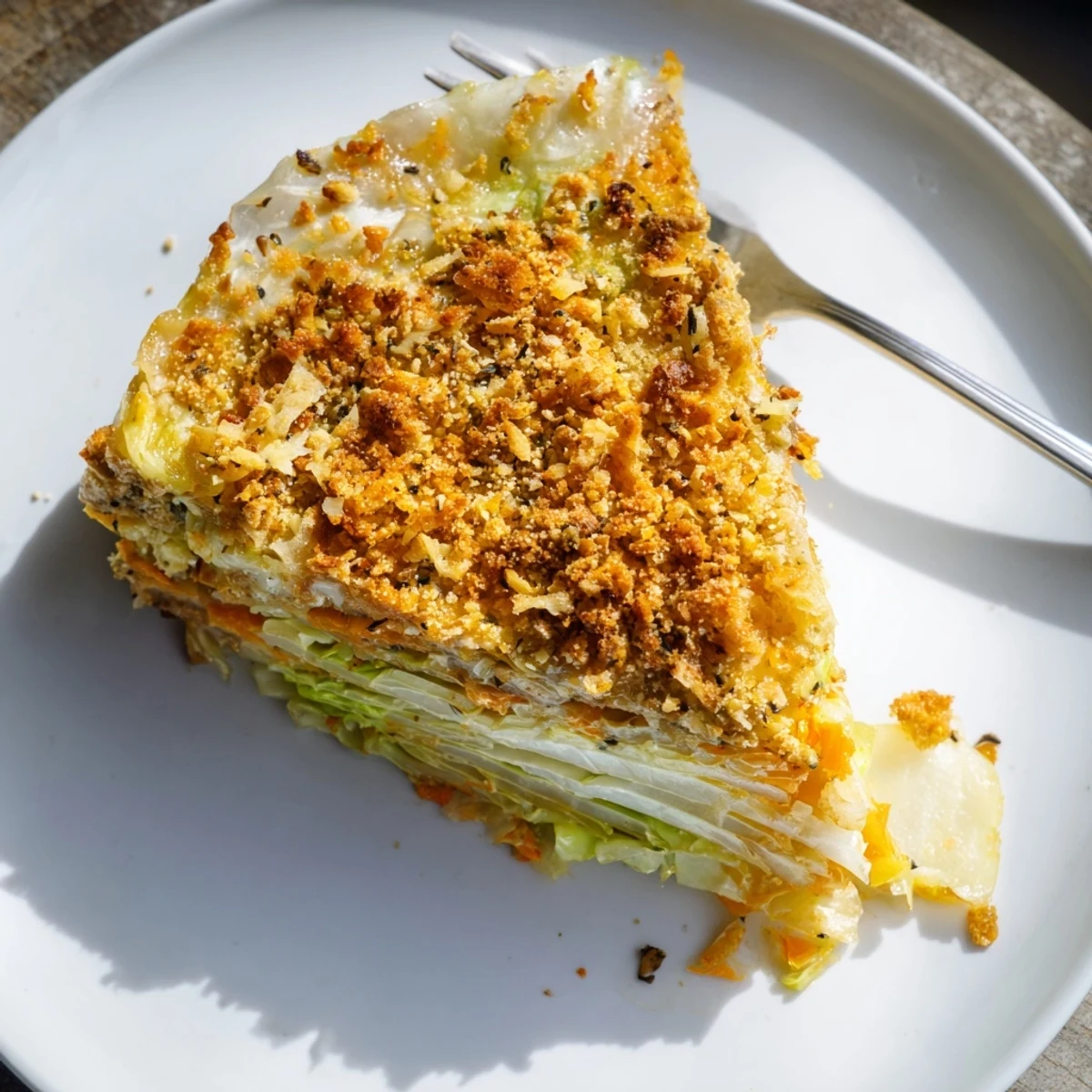
 Slow-roasted cabbage is layered with drained sauerkraut, sautéed onions, garlic and grated carrots, then bound with sour cream, eggs and vegetable broth. Covered and roasted at 325°F for 1½ hours, it's finished with buttered breadcrumbs and baked 30 minutes until golden. Lets rest 10 minutes; serve warm with parsley, rye bread or mustard. Options: vegan swaps, add smoked sausage.
The smell of cabbage roasting low and slow in the oven is one of those kitchen aromas that fills every corner of the house and pulls people toward the kitchen like a magnet. My neighbor actually knocked on my door once asking what was baking because the scent had drifted through the shared hallway of our apartment building. There is something deeply satisfying about transforming humble cabbage into something rich and layered with flavor. This casserole became my go to dish for cold evenings when cooking felt like an act of self care rather than a chore.
I made this for a potluck dinner in the dead of January when everyone was tired of heavy holiday food but still craved something warming. A friend who swore she hated cabbage went back for thirds and now texts me every fall asking for the recipe. That moment taught me never to underestimate what slow roasting can do for an underrated vegetable.
Ingredients
- 1 medium green cabbage (about 2 lbs), cored and thickly sliced: The star of the dish and slicing it thick keeps the layers intact so they hold up during the long roast without turning to mush.
- 2 cups sauerkraut, drained and rinsed: This brings the tang and depth that plain cabbage alone cannot achieve and rinsing prevents it from overpowering everything else.
- 1 large onion, thinly sliced: Onions soften into sweetness during roasting and act as a natural bridge between the mild cabbage and sharp sauerkraut.
- 3 garlic cloves, minced: Garlic infuses the entire casserole with warmth and three cloves is the sweet spot between noticeable and dominant.
- 2 medium carrots, grated: Grated carrots melt into the layers adding subtle sweetness and a hint of color that makes the dish more visually appealing.
- 1 cup sour cream: This is what makes the casserole creamy and binding without needing cheese or heavy sauces.
- 2 large eggs: Eggs set the custard like filling and hold everything together so each slice comes out cleanly.
- 3 tbsp olive oil: Used for sauteing the aromatics and greasing the dish and a good quality oil makes a real difference in flavor.
- 1 cup vegetable broth: Provides moisture for the long roast so the cabbage steams and tenderizes in the oven rather than drying out.
- 1 tsp caraway seeds (optional): These little seeds are the soul of German flavor and even a small amount transforms the whole dish into something distinctly Central European.
- Salt and freshly ground black pepper: Season each layer as you build the casserole because bland layers stay bland no matter how long you roast them.
- 1 cup breadcrumbs: The topping needs something to crunch against and fresh breadcrumbs brown more evenly than store bought ones.
- 2 tbsp melted butter: Tossed with the breadcrumbs to create that irresistible golden crust that makes everyone fight over the corner pieces.
Instructions
- Preheat and prepare the dish:
- Set your oven to 325 degrees Fahrenheit and grease a large casserole dish with one tablespoon of olive oil, making sure to coat the sides as well as the bottom so nothing sticks during the long bake.
- Soften the aromatics:
- Heat the remaining olive oil in a large skillet over medium heat and cook the sliced onion, stirring occasionally, until it turns translucent and fragrant, about five minutes, then add the minced garlic and grated carrots for two more minutes until everything is softened and aromatic.
- Build the layers:
- Place half the cabbage in the casserole dish, top with half the sauerkraut and half the sauteed vegetables, then season with salt, pepper, and caraway seeds before repeating the layers with the remaining ingredients so every bite has balanced flavor.
- Pour the creamy custard:
- Whisk the sour cream, eggs, and vegetable broth together in a bowl until completely smooth with no lumps, then pour it evenly across the entire surface of the casserole, letting it seep down between the layers.
- Roast covered:
- Cover the dish tightly with aluminum foil and place it in the center of the oven for one hour and thirty minutes, during which the cabbage will steam and soften into tender, silky layers that absorb all the surrounding flavors.
- Prepare the topping:
- While the casserole roasts, toss the breadcrumbs with the melted butter in a small bowl until every crumb is evenly coated, which ensures a uniformly golden and crunchy crust rather than patchy browning.
- Finish uncovered:
- Remove the foil carefully to avoid the steam, sprinkle the buttered breadcrumbs evenly over the top, and return the dish to the oven uncovered for an additional thirty minutes until the crust is deeply golden and the edges are bubbling.
- Rest and serve:
- Let the casserole stand for ten minutes before cutting into it so the creamy layers set properly and each portion holds its shape when scooped onto plates.
 Pin It
 The night I served this alongside thick slices of rye bread and sharp German mustard, my roommate closed his eyes after the first bite and said it reminded him of his grandmother. Food has a way of creating connections you never expected, and this simple casserole has done that more times than I can count.
Making It Your Own
This recipe is endlessly adaptable once you understand the basic structure of layered vegetables, creamy custard, and crunchy topping. I have added sliced mushrooms between the layers for earthiness and once used leftover ham instead of keeping it vegetarian, which worked beautifully. The caraway seeds are optional but I urge you to try them at least once because they add an authentic flavor that ties everything together.
Leftovers and Reheating
This casserole actually tastes better the next day because the flavors continue to develop and meld overnight in the refrigerator. Reheat individual portions in a skillet with a touch of butter to revive the crispy topping, or warm the whole dish covered in a 300 degree oven for about twenty minutes. I have eaten cold leftovers straight from the dish standing at the refrigerator and regretted nothing.
Tools That Make It Easier
You do not need fancy equipment but a few things make the process smoother and less messy. A large shallow casserole dish gives you more surface area for that prized crunchy topping. A box grater makes quick work of the carrots and also works for the onion if you prefer a finer texture. Keep these essentials in mind:
- Aluminum foil is non negotiable for the covered roasting phase so the cabbage steams properly.
- A large skillet saves time because you can saute all the aromatics in one batch without crowding.
- Taste the sauerkraut after rinsing because brands vary wildly in saltiness and acidity.
 Pin It
 This humble casserole proves that the most memorable meals often come from the simplest ingredients treated with patience and care. Share it with someone who thinks they do not like cabbage and watch them change their mind.
Recipe FAQs
- → How can I make this gluten-free?
-
Use gluten-free breadcrumbs or crushed gluten-free crackers for the topping and verify that packaged sauerkraut and broth are labeled gluten-free. Toast the crumbs briefly in butter or oil for better texture.
- → What are good vegan swaps?
-
Replace sour cream with a plant-based alternative and swap the eggs for a flaxseed slurry (1 tbsp ground flax + 3 tbsp water per egg) or silken tofu blended until smooth. Adjust seasoning and baking time as needed.
- → How do I keep the topping from getting soggy?
-
Drain and lightly squeeze the sauerkraut to remove excess liquid. Toast the breadcrumbs with melted butter before sprinkling and add them only for the final 25–30 minutes of baking so they crisp without absorbing too much moisture.
- → What's the best temperature and timing for slow roasting?
-
Roast covered at a low temperature, about 325°F (165°C), for 1 hour 30 minutes to soften the cabbage and meld flavors. Remove the cover, add the breadcrumb topping, then bake uncovered another 30 minutes until golden.
- → How should I store and reheat leftovers?
-
Cool to room temperature, refrigerate in an airtight container for up to 3–4 days. Reheat individual portions in a 350°F oven until warmed through, or cover and microwave for faster reheating. The topping may need a few minutes uncovered to re-crisp.
- → What serving ideas and add-ins work well?
-
Serve warm with chopped parsley, rye bread and German mustard. For variation, stir in diced smoked sausage or bacon before baking, or finish with grated cheese for extra richness. Caraway seeds complement the tangy sauerkraut.
