
 Pin It
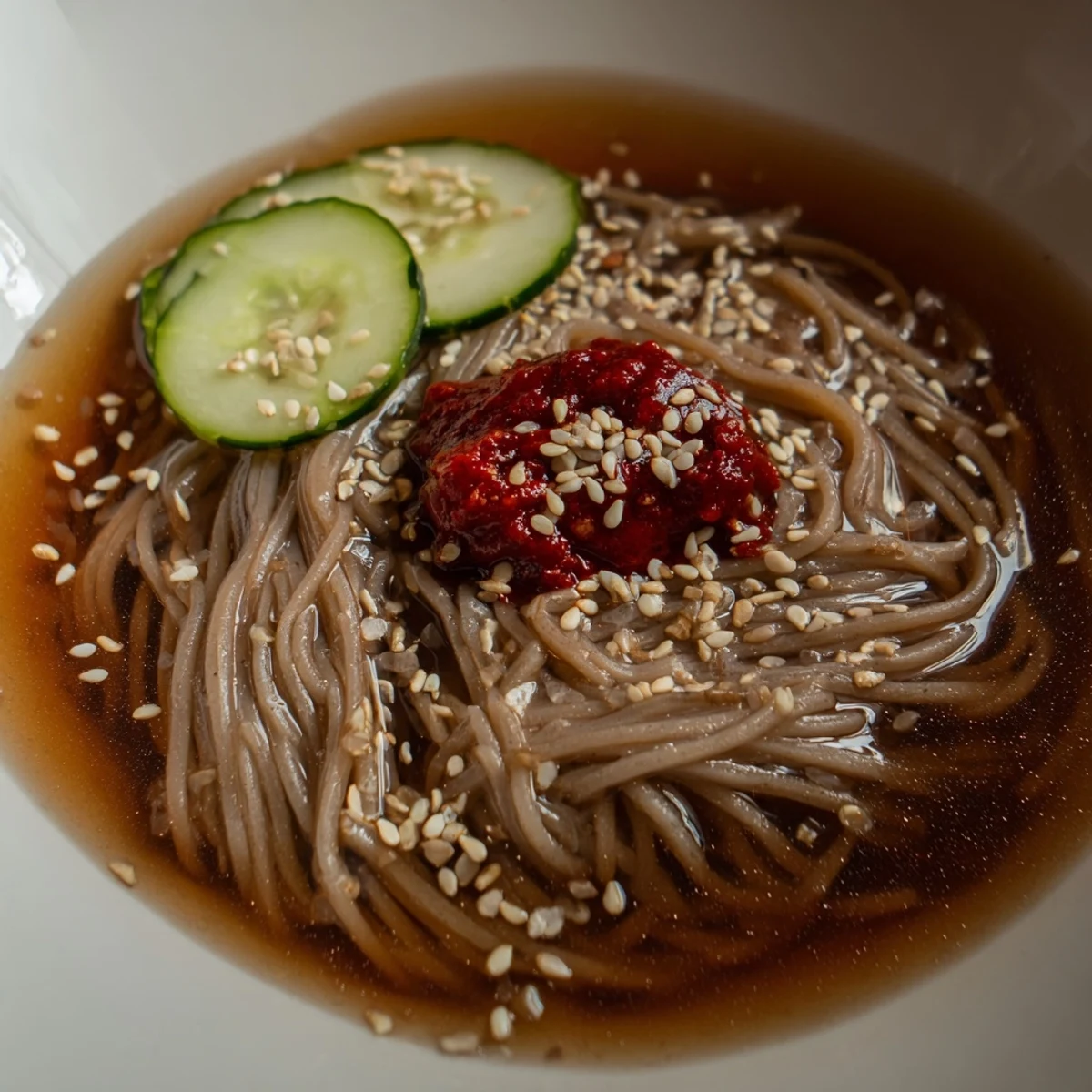
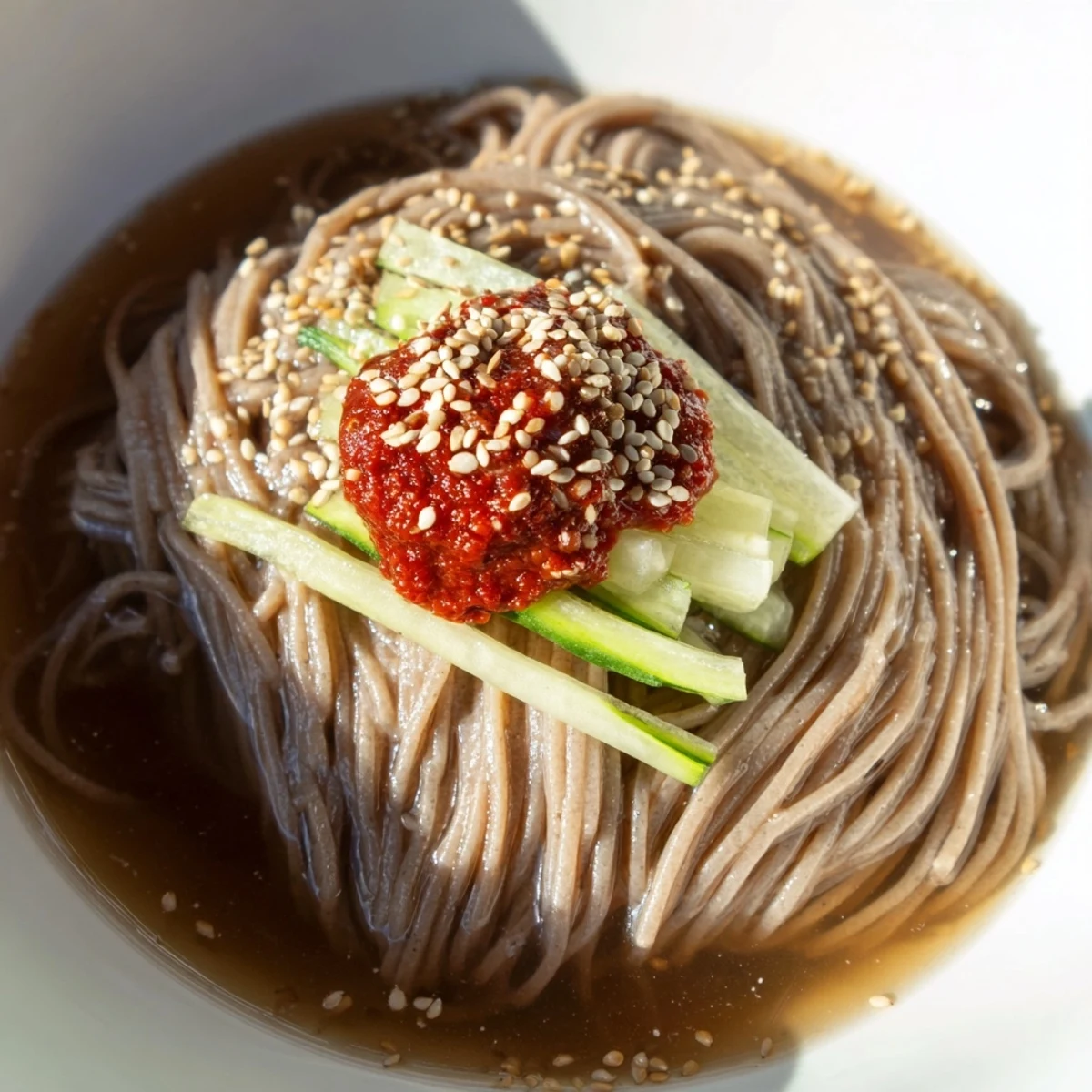
 This classic Korean dish features chewy buckwheat noodles served in an ice-cold, tangy broth made with beef stock, rice vinegar, and seasonings. The refreshing combination creates perfect balance for warm weather dining. Toppings include thinly sliced beef brisket, crisp Asian pear, fresh cucumber, and hard-boiled eggs. The dish gets finished with toasted sesame seeds and optional gochujang for those who enjoy extra heat. Preparing the broth ahead allows flavors to meld while chilling thoroughly. The noodles cook quickly but require thorough rinsing under cold water to achieve their signature springy texture.
The first time I had naengmyeon was at a tiny hole-in-the-wall in Seoul on a sweltering July afternoon, sweat dripping down my back. The owner watched me struggle with the slippery noodles and laughed, handing me scissors to cut them. That bowl of icy tangy broth changed everything I thought about summer food—suddenly heat became an invitation instead of a burden.
Last summer I made this for friends during a heatwave, and we sat around the table slurping noodles while the fan whirred overhead. One friend kept sneaking extra ice cubes into her bowl, insisting it made the broth sing. Theres something communal about naengmyeon, the way everyone leans in with scissors ready, cutting noodles that refuse to be tamed.
Ingredients
- 4 cups beef broth: Homemade gives the cleanest flavor, but low-sodium works perfectly—just taste before seasoning
- 2 cups cold water: This stretches the broth without diluting its rich essence
- 2 tablespoons rice vinegar: The backbone of that signature tang, adjust to your taste
- 1 tablespoon sugar: Balances the vinegar and soy sauce like a well-tempered conversation
- 1 tablespoon soy sauce: Adds depth and umami without making the broth heavy
- 1 teaspoon sesame oil: A finishing touch that lingers beautifully
- 1/2 teaspoon salt: Taste your broth first—some soy sauces are saltier than others
- 1/2 cucumber, thinly sliced: Provides fresh crunch and a cooling element
- 4-6 ice cubes: Non-negotiable for the authentic bone-chilling experience
- 400 g naengmyeon noodles: Buckwheat noodles are traditional, but soba makes an excellent substitute if you cant find the real thing
- 1 Asian pear: Sweet and crisp, it adds texture and natural sweetness that complements the tangy broth
- 2 hard-boiled eggs, halved: Creamy richness against the icy broth
- 120 g cooked beef brisket, thinly sliced: Use leftover brisket or grab some from your Korean market
- 1 tablespoon toasted sesame seeds: For that nutty finish and extra texture
- 1 tablespoon gochujang: Optional, but recommended if you like heat
Instructions
- Make the broth ahead:
- Whisk together the broth, water, rice vinegar, sugar, soy sauce, sesame oil, and salt until everything dissolves completely. Let it chill in the fridge for at least 30 minutes—the colder the broth, the better the final dish.
- Prep your toppings:
- Boil the eggs for exactly 10 minutes, then plunge them into ice water for easy peeling. Slice the beef into paper-thin pieces, cut the cucumber and pear into matchsticks, and have everything ready on a platter.
- Cook the noodles:
- Boil them for 3-4 minutes until theyre chewy but not mushy, then rinse under freezing cold water until theyre completely cool and the starch is gone. This step is crucial for that signature slippery texture.
- Assemble like a pro:
- Divide the noodles among bowls, pour in the icy broth, and arrange your toppings in a little mound on top. Drop in ice cubes right before serving—nothing ruins naengmyeon faster than lukewarm broth.
- Finish with flair:
- Sprinkle sesame seeds over everything and add gochujang if you want some heat. Serve immediately and keep extra vinegar and mustard at the table for people to adjust their own bowls.
 Pin It
 My grandmother used to say that good food should make you pause, and naengmyeon does exactly that. The first bite is always a surprise—cold broth hitting warm skin, noodles slipping away from your chopsticks, the sweet pear cutting through the tangy vinegar. Its a dish that demands your full attention.
Getting the Broth Balance Right
The beauty of naengmyeon broth lies in its equilibrium, and every Korean cook has their own ratio. Start with the recipe as written, then taste—add more vinegar if it feels flat, a pinch more sugar if it's too sharp, or extra soy sauce if it lacks depth. The goal is a broth that makes you pucker slightly but keeps you coming back for another spoonful.
The Art of Noodle Handling
These noodles are notoriously slippery, and that's part of their charm. Most Korean tables keep kitchen scissors nearby for this exact reason—cutting the noodles into manageable lengths makes them easier to eat and lets you scoop up broth, noodles, and toppings together. Don't fight the noodles, work with them.
Making It Your Own
Once you've mastered the classic version, the variations are endless. Some days I add dongchimi brine for extra fermentation, others I top it with spicy raw crab if I'm feeling fancy. The template remains the same—cold broth, chewy noodles, fresh toppings—but the personality shifts with whatever inspires you that day.
- Try adding sliced radish water kimchi to the broth for a funkier, more traditional depth
- A drop of mustard oil in your individual bowl creates that authentic Korean restaurant flavor
- Extra cucumber never hurt anyone, especially on the hottest days
 Pin It
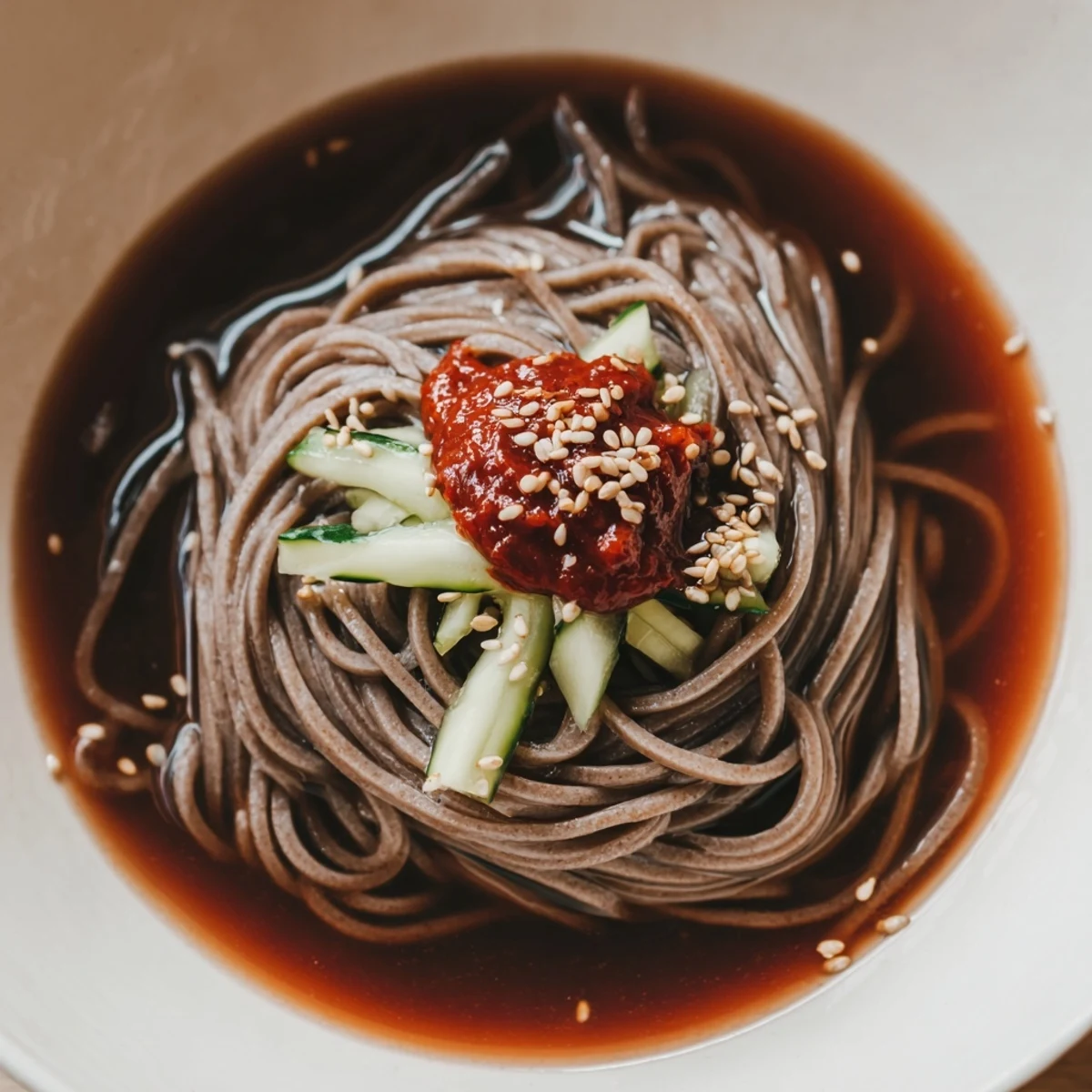
 Theres something deeply satisfying about a dish that embraces the heat instead of fighting it, a bowl of edible air conditioning that feels like a revelation. Make this on the next scorcher of a day and watch how it changes everything.
Recipe FAQs
- → What makes naengmyeon noodles unique?
-
The noodles are made primarily from buckwheat and sweet potato starch, creating an exceptionally chewy, springy texture that holds up perfectly in cold broth. They're longer and thinner than typical noodles, traditionally designed to be eaten with scissors.
- → Can I make this dish vegetarian?
-
Substitute the beef broth with vegetable broth or dashi made from kombu and shiitake mushrooms. Replace beef brisket with marinated tofu or additional vegetables like sliced radishes and carrots for protein.
- → Why is the broth served with ice cubes?
-
The extreme cold is essential to the authentic experience, enhancing the refreshing quality and helping the broth maintain its chill despite room temperature. The ice also dilutes the seasoning slightly as it melts, creating evolving flavors.
- → What's the purpose of rinsing noodles under cold water?
-
Cold water rinsing stops the cooking process immediately, removes excess starch that could make the broth cloudy, and shocks the noodles to maintain their chewy, springy texture essential for this dish.
- → Can I prepare naengmyeon in advance?
-
The broth tastes even better made a day ahead, allowing flavors to meld. Prepare toppings and store separately. Cook noodles just before serving as they don't keep well—becoming gummy if refrigerated cooked.
- → What if I can't find naengmyeon noodles?
-
Soba noodles made from buckwheat are the best substitute, though they're slightly thinner. Somen or thin udon work in a pinch, though the texture won't match traditional naengmyeon's distinctive chewiness.
