
 Pin It
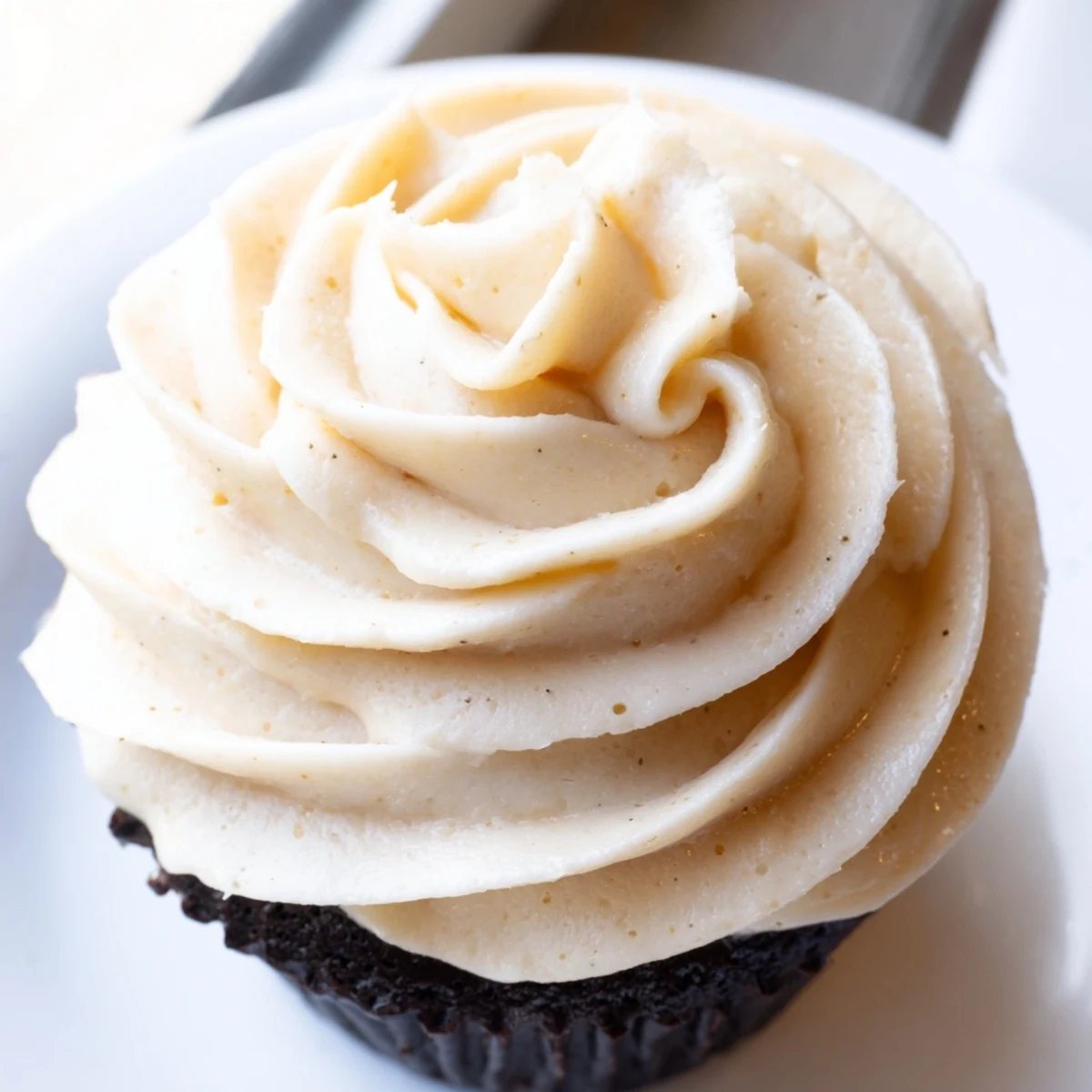
 This Italian meringue buttercream delivers a luxuriously silky texture with balanced, delicate sweetness. Hot sugar syrup is streamed into whipped egg whites to create a glossy, stable meringue, then softened butter is gradually beaten in until perfectly smooth.
The result is a professional-grade frosting that pipes beautifully and holds its shape on cakes and cupcakes. Flavor it with vanilla, citrus zest, or espresso for endless variations.
My stand mixer has been through some battles, but nothing tested its mettle quite like my first attempt at Italian meringue buttercream during a sweltering July afternoon with a birthday cake due in three hours. The drama of pouring molten sugar into spinning egg whites felt like conducting a tiny delicious science experiment in my own kitchen. That batch curdled, separated, and looked absolutely ruined until I stubbornly let the mixer run five more minutes and watched it transform into the most luxuriously smooth frosting I had ever made. Now it is the only buttercream I trust for cakes that matter.
I brought a three layer cake frosted with this buttercream to a friends potluck dinner last autumn, and three separate people pulled me aside to ask what bakery I had ordered from. That reaction alone was worth every anxious glance at my candy thermometer.
Ingredients
- Granulated sugar (200 g): Standard white sugar works perfectly here, no need for anything fancy.
- Water (60 ml): Just enough to dissolve the sugar before it begins caramelizing.
- Egg whites (120 g, about 4 large): Room temperature whites whip to greater volume, so plan ahead and separate them early.
- Cream of tartar (1/4 tsp): An optional insurance policy that stabilizes the whites and prevents overbeating.
- Salt (1/4 tsp): A small pinch that balances the sweetness and wakes up every flavor.
- Unsalted butter (340 g): Must be truly at room temperature, soft enough to leave a fingerprint but not melting or greasy.
- Pure vanilla extract (1 to 2 tsp): Use the good stuff here because this buttercream has so few ingredients and quality truly shows.
Instructions
- Bloom the sugar syrup:
- Combine sugar and water in a small saucepan and stir gently just until the sugar is moistened, then stop. Heat over medium and resist every urge to stir, letting the syrup climb toward 115 degrees Celsius on your candy thermometer without any interference.
- Start the egg whites:
- While the syrup heats, begin whipping the egg whites and cream of tartar in your stand mixer on medium speed until they turn foamy and opaque. Add the salt and keep the mixer running at a steady pace.
- Pour the hot syrup:
- The moment the syrup hits 115 degrees Celsius, pull it off the heat immediately. With the mixer on medium high, drizzle the hot syrup into the whites in a thin steady stream, aiming for the space between the whisk and the bowl wall to avoid splattering.
- Whip to glossy peaks:
- Crank the speed to high and let the meringue whip until it forms stiff, glossy peaks and the outside of the bowl feels completely cool to the touch, which takes roughly ten minutes of trusting the process.
- Incorporate the butter:
- Switch to the paddle attachment and begin adding butter one cube at a time on medium speed, waiting until each piece fully disappears before dropping in the next. If the mixture looks curdled or soupy halfway through, do not panic and absolutely do not stop mixing.
- Flavor and finish:
- Beat in the vanilla extract and continue mixing until the buttercream is silky, airy, and spreadable. If it feels too soft and warm, pop the whole bowl into the fridge for five minutes, then re whip until it firms up beautifully.
 Pin It
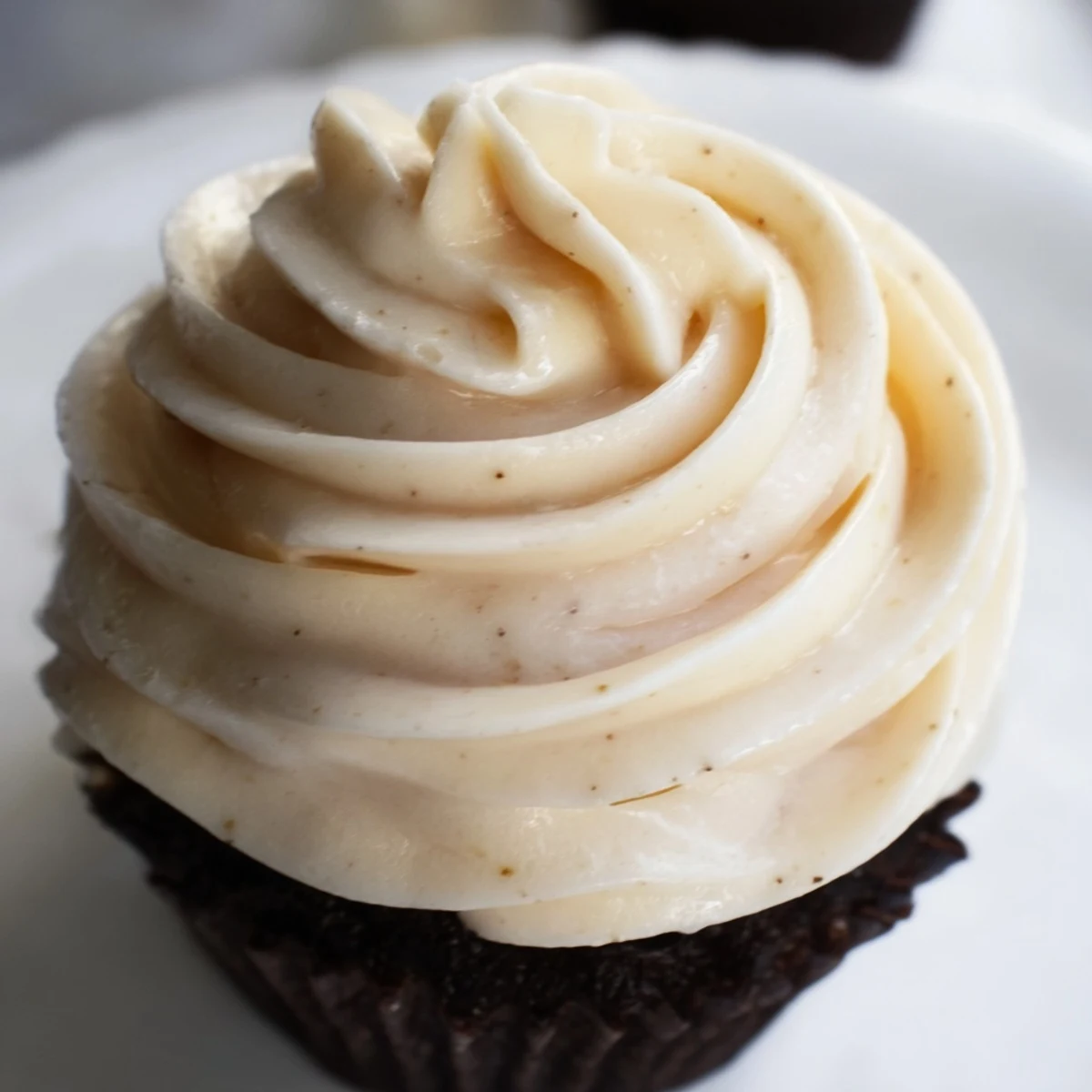
 The moment this buttercream comes together after its ugly curdled phase is pure kitchen magic, and that first swipe across a cake layer with an offset spatula feels like absolute mastery.
Troubleshooting Common Problems
Every broken buttercream I have encountered was fixable, usually by simply continuing to beat it or by chilling it briefly to firm up the butter. The only true failure is walking away from the mixer too soon.
Flavor Variations Worth Trying
Once you have the base recipe dialed in, try folding in espresso powder for a mocha version or swapping the vanilla for lemon zest and a splash of extract for something brighter and more surprising.
Storage and Make Ahead Advice
This buttercream keeps beautifully in the refrigerator for up to one week or in the freezer for two months when stored airtight. Always bring it fully to room temperature and re whip before using so it regains its signature silkiness.
- Freeze in flat portions so it thaws evenly and quickly.
- Label containers with the date because frozen buttercream is easy to forget about.
- Never attempt to spread cold buttercream on a cake because it will tear your crumbs and ruin all your hard work.
 Pin It
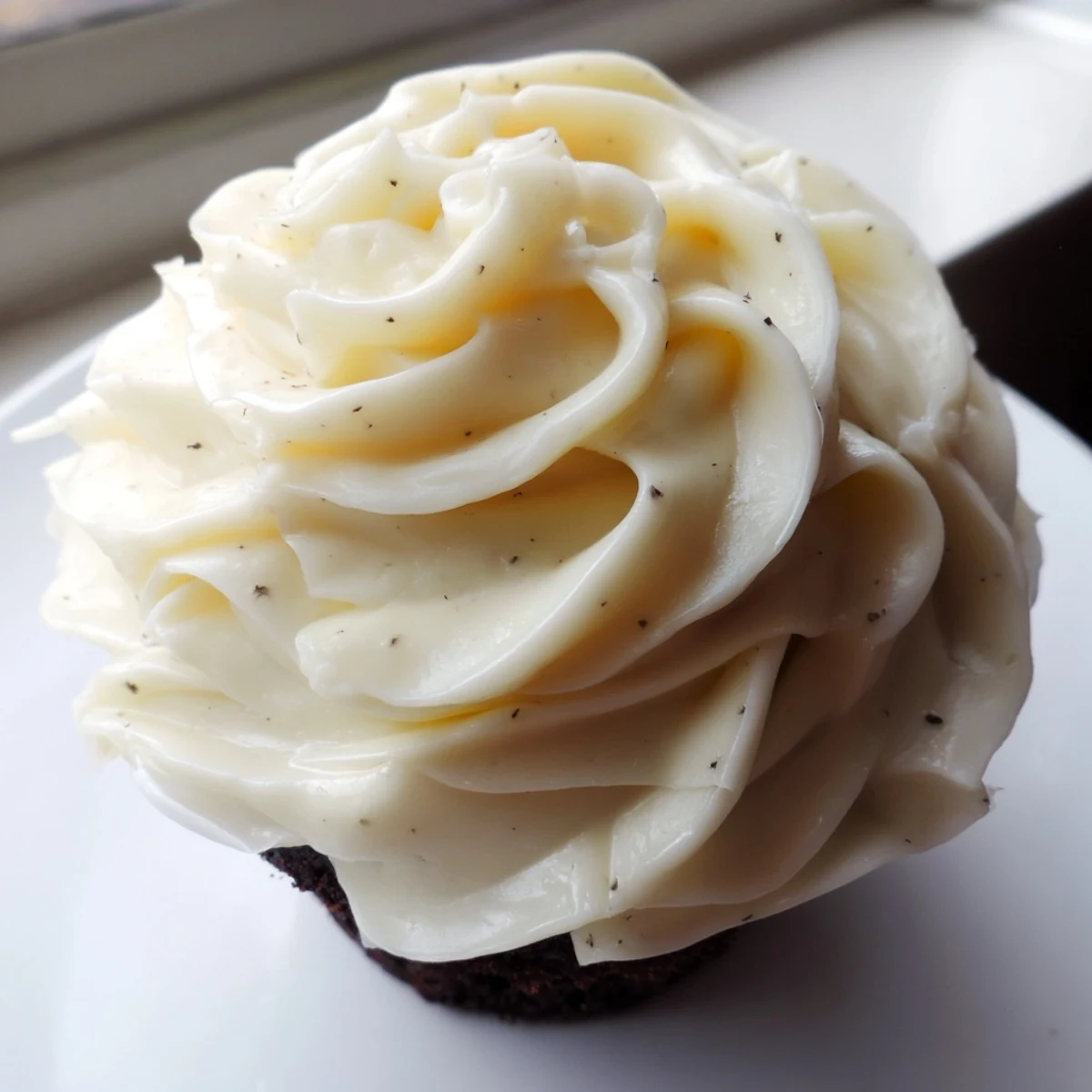
 Master this buttercream once and you will never go back to the powdered sugar version again. Your cakes will thank you, and so will everyone lucky enough to eat them.
Recipe FAQs
- → Why did my buttercream curdle after adding the butter?
-
Curdling is completely normal during the butter-adding stage. The temperature difference between the meringue and butter causes a temporary emulsion break. Simply keep beating on medium speed and it will come together into a smooth, silky buttercream within a few minutes.
- → Can I make Italian meringue buttercream ahead of time?
-
Yes, it stores beautifully. Refrigerate in an airtight container for up to one week or freeze for up to two months. When ready to use, let it come to room temperature completely, then re-whip until smooth and spreadable again.
- → What temperature should the butter be?
-
The butter should be at cool room temperature—soft enough to yield slightly when pressed but not melty or greasy. If the butter is too cold, it won't incorporate smoothly. If too warm, the buttercream may become runny.
- → Do I need a candy thermometer for this?
-
A candy thermometer is strongly recommended because the sugar syrup must reach precisely 115°C (240°F) for proper meringue stability. Without accurate temperature control, the syrup may not set the egg whites correctly, affecting the final texture.
- → My buttercream is too soft for piping. How do I fix it?
-
Pop the bowl into the refrigerator for 10 to 15 minutes to firm up the butter, then re-whip on medium speed until it reaches the desired piping consistency. Avoid chilling too long or it will become too stiff to work with.
- → Can I flavor this buttercream with something other than vanilla?
-
Absolutely. Italian meringue buttercream takes well to many flavors. Try adding citrus zest, espresso powder, melted cooled chocolate, fruit purées, or almond extract. Add flavorings gradually and taste as you go to achieve the right balance.
