
 Pin It
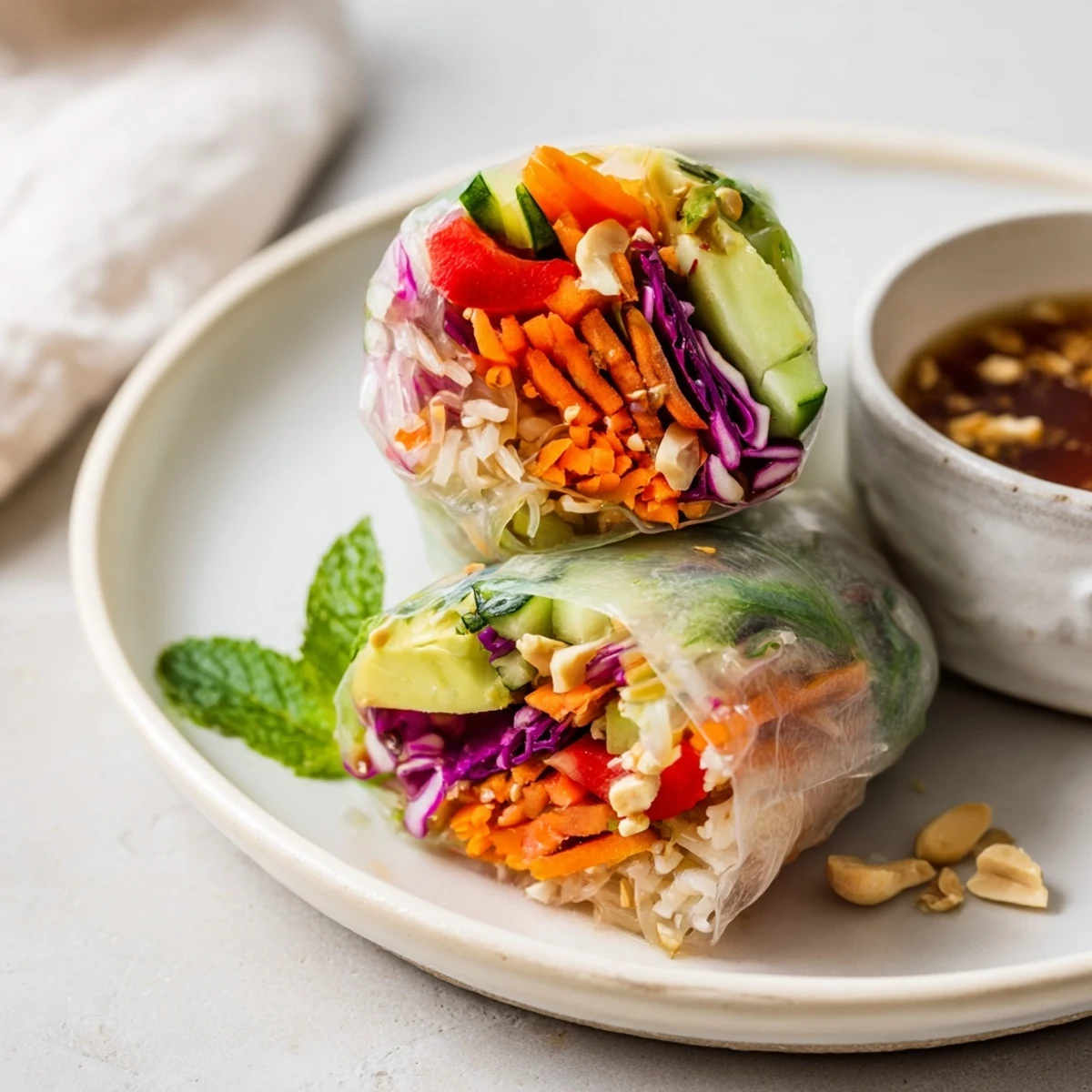
 These gluten-free spring rolls bring crisp julienned carrots, cucumber, bell pepper, cabbage, avocado and fresh herbs wrapped in softened rice paper. Soak wrappers briefly, keep fillings compact, and roll tightly for neat bites. Serve immediately with a tangy soy-tamari and ginger dipping sauce. Store covered with a damp towel for a few hours; add protein like tofu or shrimp if desired.
I stumbled upon rice paper wrappers during a desperate attempt to recreate restaurant-quality spring rolls at home after my gluten-free diagnosis. The first few attempts were disasters—torn wrappers, spilling fillings, and more frustration than delicious results—but I finally found my rhythm after accidentally discovering that slightly damp hands make all the difference.
Last summer, I made these for a backyard barbecue and watched my skeptical uncle devour three before even realizing they were gluten-free. The dipping sauce disappeared first, with guests actually drizzling it over everything else on their plates too.
Ingredients
- 1 medium carrot, julienned: Carrots add natural sweetness and satisfying crunch—use a julienne peeler for perfectly even strips in seconds
- 1/2 cucumber, julienned: English cucumbers work best here with their thinner skin and fewer seeds, keeping everything refreshing and crisp
- 1 red bell pepper, julienned: The bright red color makes these rolls absolutely stunning while contributing a subtle sweet flavor
- 1 cup red cabbage, thinly shredded: Cabbage brings gorgeous purple contrast and holds up beautifully without getting soggy
- 1 avocado, sliced: Adds creamy richness that balances all the crisp vegetables perfectly
- 1 cup fresh mint leaves: Mint is absolutely essential—it makes these taste remarkably fresh and vibrant
- 1 cup fresh cilantro leaves: Cilantro adds that distinctive bright flavor that makes these unmistakably Asian-inspired
- 8 gluten free rice paper wrappers: Look for round ones labeled specifically as spring roll wrappers, not the smaller ones meant for fresh summer rolls
- 100 g rice vermicelli noodles: These provide a satisfying chewy base that helps hold everything together
- Warm water: Keep it quite warm but not hot—too hot and the wrappers become impossibly fragile to work with
- 3 tbsp gluten-free soy sauce or tamari: Tamari has a deeper, richer flavor than regular soy sauce and is naturally wheat-free
- 2 tbsp rice vinegar: Adds just the right amount of tangy brightness to balance the savory elements
- 1 tbsp maple syrup or honey: A touch of sweetness helps round out all the flavors beautifully
- 1 tsp toasted sesame oil: Toasted sesame oil has such an intense, nutty aroma that a tiny amount transforms the entire sauce
- 1 tsp grated fresh ginger: Fresh ginger brings gentle heat and zesty brightness that powdered ginger simply cannot replicate
- 1 clove garlic, minced: One clove is perfect—you want it to enhance, not overpower the delicate vegetables
- 1 tbsp chopped peanuts: Completely optional but adds such wonderful texture and nutty flavor if no allergies are present
Instructions
- Prepare the noodles:
- Cook the rice vermicelli according to package directions, drain thoroughly, and rinse under cold water to stop the cooking and prevent sticking
- Prep your vegetables:
- Julienne or slice all vegetables and arrange them on a large platter or cutting board like a colorful assembly line
- Soften the rice paper:
- Dip one wrapper into warm water for exactly 10 to 15 seconds until it feels pliable and slightly tacky but not completely soft
- Layer your filling:
- Place the wrapper on a clean work surface and arrange a small neat pile of noodles, vegetables, and herbs in the lower third, keeping everything compact
- Add the avocado:
- Lay avocado slices on top last since they are delicate and can bruise or mash easily during rolling
- Roll it up:
- Fold the sides in over the filling then roll tightly from the bottom up, just like folding a burrito, keeping everything snug but gentle
- Make the dipping sauce:
- Whisk all sauce ingredients together in a small bowl until the honey or maple syrup is completely dissolved
- Service time:
- Serve immediately with the dipping sauce on the side for guests to dip as they please
 Pin It
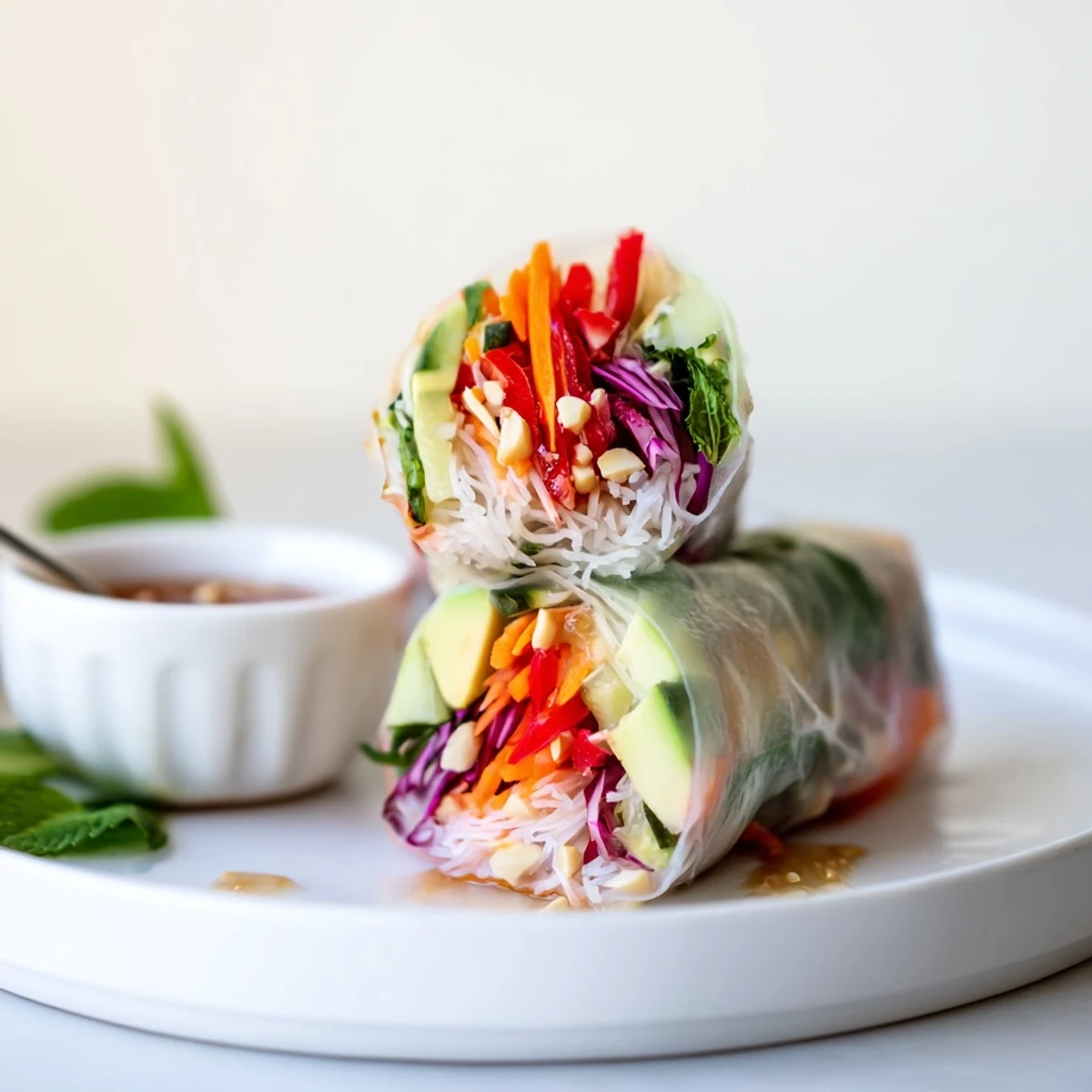
 These spring rolls have become my go-to contribution to potlucks because they are visually stunning, naturally accommodate multiple dietary restrictions, and disappear faster than anything else on the table.
Perfecting Your Rolling Technique
The key to restaurant-worthy spring rolls is not overstuffing them. A modest amount of filling rolled tightly will hold together beautifully and be much easier to eat than an overstuffed one that bursts at the seams.
Customizing the Filling
While this vegetable combination is perfectly balanced, you can easily add cooked shrimp, crispy tofu, or even shredded cooked chicken for extra protein. Just keep any cooked additions cold before rolling to maintain the refreshing nature of the dish.
Make-Ahead Strategy
You can prep all vegetables and noodles up to a day in advance and store them separately in the refrigerator. The sauce also keeps beautifully for several days and actually develops more complex flavors as it sits.
- Place a damp paper towel between layers of assembled rolls if storing for a few hours
- Keep rolls covered with a slightly damp cloth to prevent the wrappers from drying out and becoming tough
- Never refrigerate assembled rolls overnight as they will become rubbery and unappetizing
 Pin It
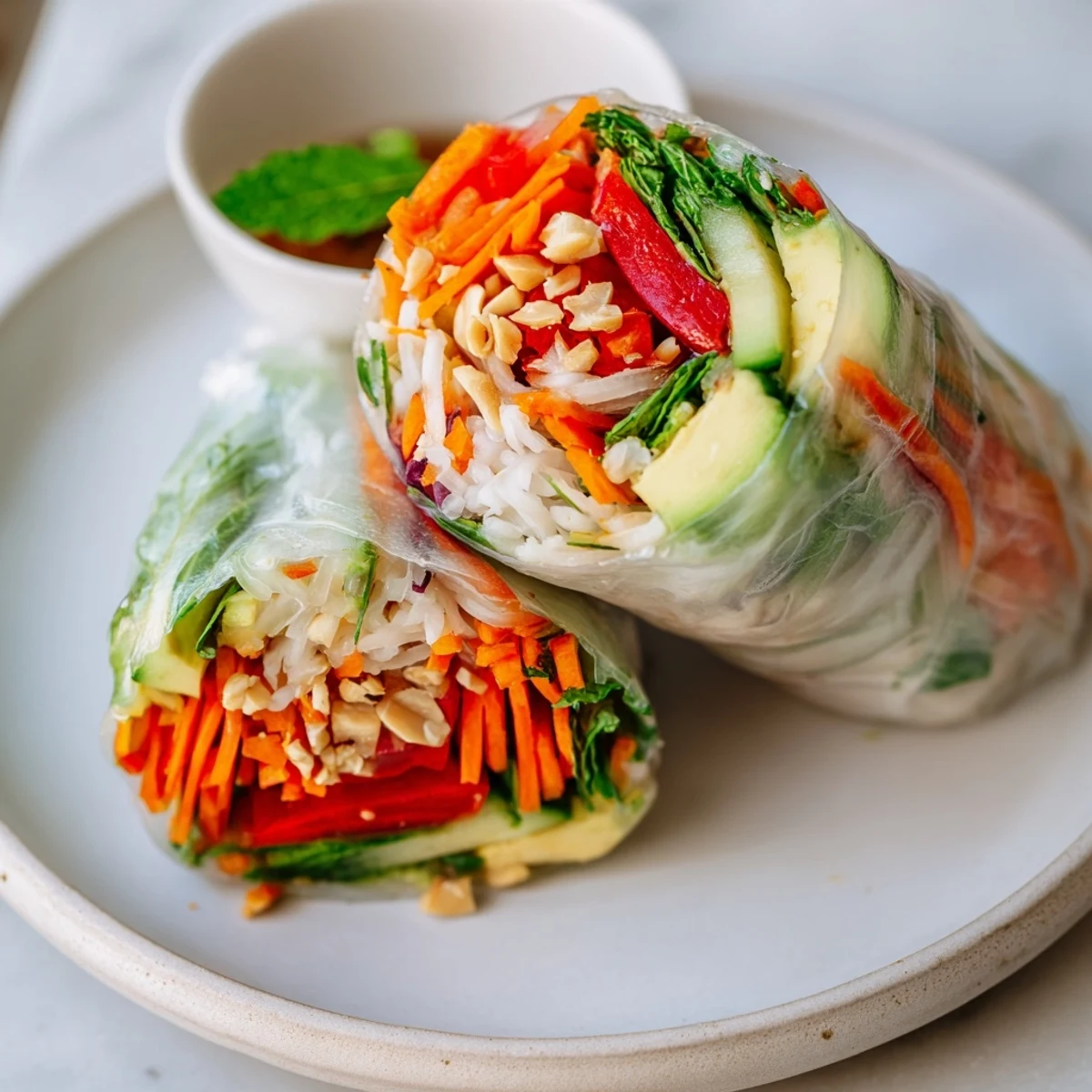
 There is something profoundly satisfying about eating food this vibrant and fresh, each roll delivering perfect little explosions of crisp, cool, and creamy all at once.
Recipe FAQs
- → How long should I soak rice paper wrappers?
-
Submerge each wrapper 10–15 seconds in warm water until pliable but still slightly firm; over-soaking makes tearing more likely. Lay the softened wrapper on a clean, damp surface for assembly.
- → How do I keep fillings crisp and prevent sogginess?
-
Pat vegetables dry, slice them thinly, and drain vermicelli well. Add avocado last and assemble just before serving to minimize moisture transfer and preserve crunch.
- → Can these be made ahead of time?
-
Rolls are best fresh. For short holding, place finished rolls on a tray, cover with a damp towel and refrigerate for 2–3 hours; avoid stacking to prevent tearing.
- → What proteins work well in these rolls?
-
Firm pan-fried tofu, cooked shrimp, or thinly sliced grilled chicken are excellent additions that complement the fresh vegetables without overwhelming flavors.
- → How can I tweak the dipping sauce for different tastes?
-
Add sriracha or chopped chiles for heat, increase maple syrup or honey for sweetness, or a squeeze of lime for brightness. Toasted sesame oil adds a nutty depth.
- → Any tips for rolling tightly and neatly?
-
Place fillings along the lower third of the wrapper, fold the sides inward, then roll upward firmly like a burrito. Keep fillings compact and use slightly overlapping rolls for cleaner edges.
