
 Pin It
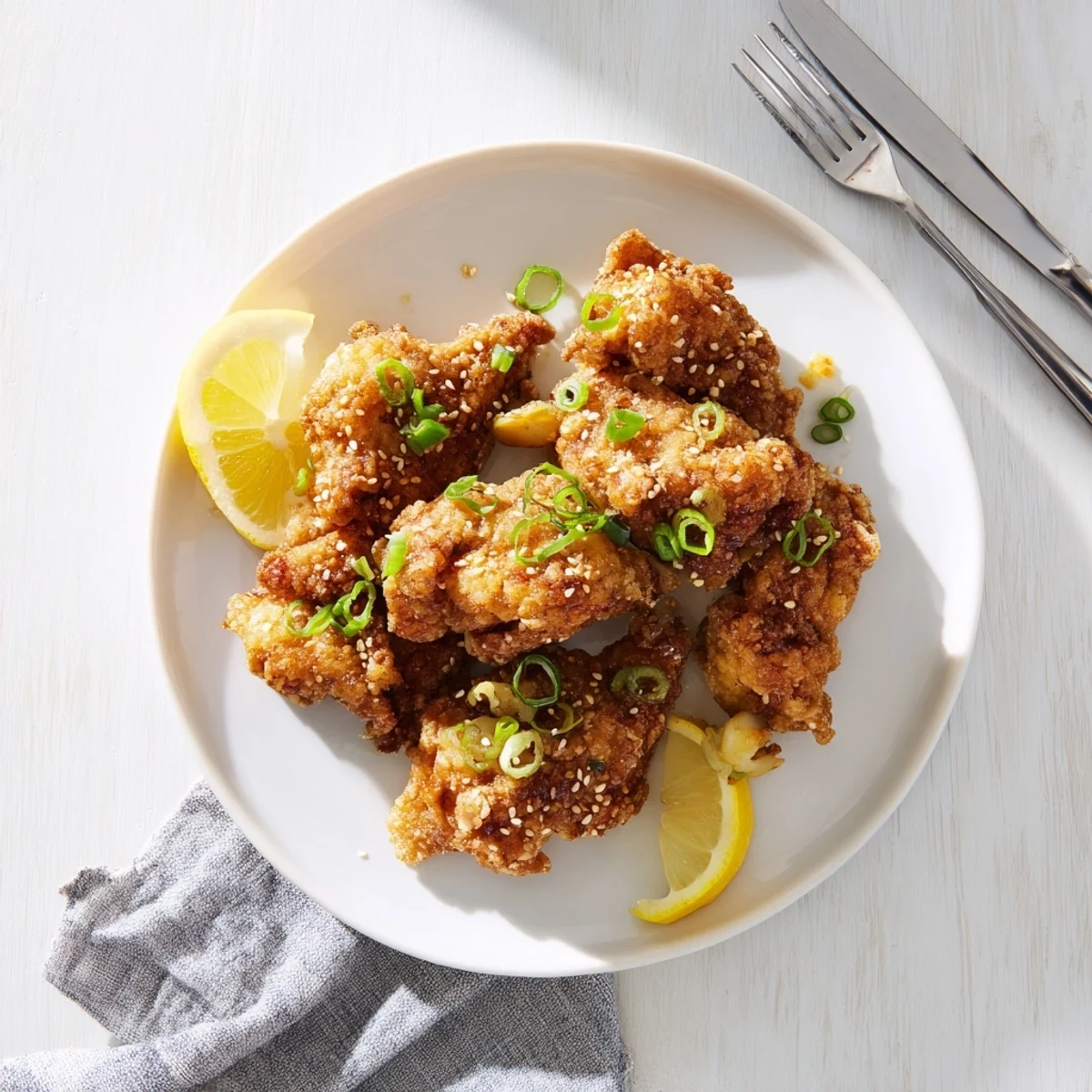
 This beloved Hawaiian dish features tender chicken thigh pieces marinated in a blend of sweet rice flour, soy sauce, garlic, ginger, and aromatics. After soaking up flavors for at least four hours, the chicken emerges from hot oil with a shatteringly crisp coating that gives way to juicy, seasoned meat inside. The mochiko creates a unique texture—light yet substantial, with just the right balance of sweet and savory notes that make this island favorite impossible to resist.
The first time I tried mochiko chicken at a neighborhood potluck in Honolulu, I couldn't figure out what made it so different from other fried chicken. The coating was impossibly crisp yet light, almost delicate, with this subtle sweetness that kept me reaching for piece after piece. Someone finally whispered the secret: sweet rice flour. I've been making it ever since, and the aroma of ginger and garlic hitting that hot oil still makes my whole kitchen feel like a tiny slice of the islands.
Last summer, my neighbor's teenage son came over while I was making a batch. He stood in the doorway sniffing the air like a cartoon character, then asked what smelled like heaven. I sent him home with a container of the still-warm chicken, and his mom texted me an hour later saying he'd eaten every piece before dinner even started. Now I double the recipe whenever I make it, because somehow word always gets around the block.
Ingredients
- 2 lbs boneless skinless chicken thighs: Thighs stay juicier than breasts through the frying process, and cutting them into 2-inch pieces means more surface area for that crispy coating we're all here for
- 1 cup mochiko (sweet rice flour): This is the non-negotiable star of the show—regular rice flour or all-purpose flour simply won't give you that signature crunch
- 1/2 cup cornstarch: Adds extra crispness and helps create that lighter-than-air texture that makes mochiko chicken so addictive
- 1/2 cup soy sauce: Provides the salty foundation and helps tenderize the chicken as it marinates
- 1/4 cup granulated sugar: Balances the salty elements and aids in that beautiful golden-brown color development
- 2 large eggs: Acts as the binder that helps the coating cling to every inch of the chicken pieces
- 4 cloves garlic, minced: Fresh garlic is essential here—powder just doesn't have the same punch in the marinade
- 1-inch piece fresh ginger, grated: Use a microplane if you have one to really break down the fibrous ginger into a paste
- 2 tbsp green onions, finely sliced: These cook right into the coating and add little pockets of onion flavor throughout
- 2 tbsp sesame oil: Toasted sesame oil adds that characteristic nutty note that screams Hawaiian comfort food
- 1 tsp kosher salt: Even with the soy sauce, a little extra salt helps the chicken's natural flavor shine through
- 1/2 tsp ground black pepper: Freshly ground makes a noticeable difference in the overall depth of flavor
- Vegetable oil for frying: Canola, peanut, or vegetable oil all work perfectly—just choose something neutral with a high smoke point
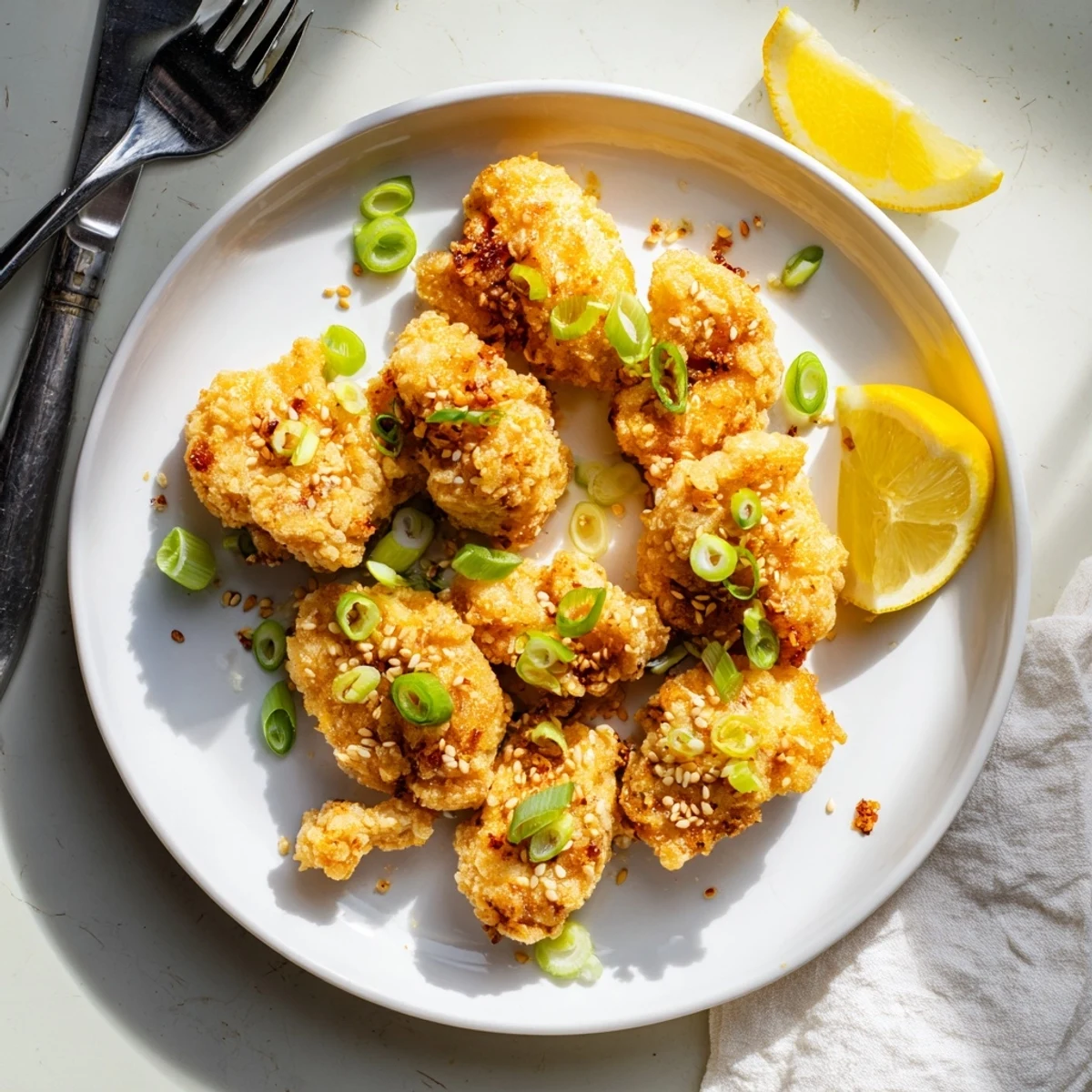
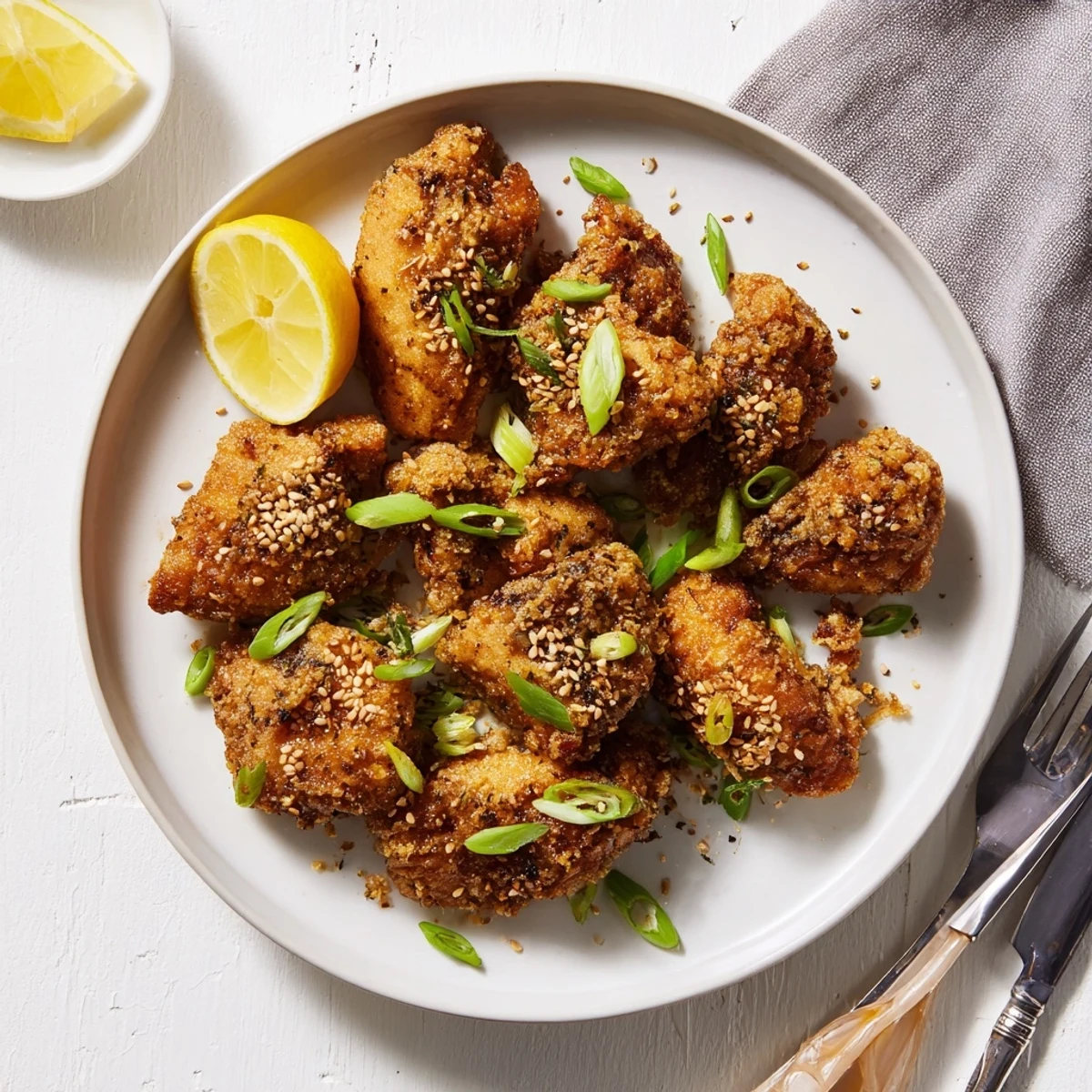
- Garnishes: Extra sliced green onions, toasted sesame seeds, and lemon wedges aren't strictly necessary but they make everything look and taste special
Instructions
- Whisk together the coating mixture:
- In a large bowl, combine the mochiko, cornstarch, soy sauce, sugar, eggs, garlic, ginger, green onions, sesame oil, salt, and pepper until you have a smooth, thick batter that's about the consistency of pancake batter
- Coat the chicken:
- Add the chicken pieces to the bowl and toss everything together until every piece is thoroughly coated, then cover and refrigerate for at least 4 hours or overnight
- Heat your oil:
- Pour about 2 inches of vegetable oil into a deep pot or large skillet and heat it to 350°F—I use a kitchen thermometer because getting this right makes such a difference in the final texture
- Fry in batches:
- Lift the chicken from the marinade, let the excess drip off for a moment, then fry in small batches for about 5–7 minutes, turning occasionally until deep golden brown and cooked through
- Drain and serve:
- Transfer the fried chicken to a paper towel-lined plate to drain any excess oil, then serve immediately with your chosen garnishes
 Pin It
 My sister served this at her wedding reception, and people still talk about it three years later. She made three huge platters, and somehow every single piece vanished before the main courses even came out. The catering staff kept asking who made the chicken because they'd never seen anything disappear so quickly.
Making It Ahead
You can marinate the chicken up to 24 hours in advance, and I actually think it tastes better that way. The coating develops this incredible thickness and clings to the chicken like it's been there forever. Just give it a quick stir before you start frying.
Getting The Perfect Fry
I've learned that the oil temperature is everything—too low and the coating absorbs too much oil, too high and it burns before the chicken cooks through. My sweet spot is exactly 350°F, and I use a clip-on thermometer so I don't have to guess.
Serving Ideas
While this chicken is amazing on its own, it really shines as part of a bigger spread. In Hawaii, it's often served alongside macaroni salad and steamed rice, but I love it with pickled vegetables or a simple cucumber salad to cut through the richness.
- Set up a toppings bar with extra green onions, sesame seeds, and even some sriracha for people who want to kick up the heat
- Squeeze fresh lemon juice over the chicken right before serving—it brightens everything beautifully
- Make extra because this reheats surprisingly well in a toaster oven, though it rarely lasts long enough to need reheating
 Pin It
 There's something deeply satisfying about standing over a pot of frying chicken, surrounded by the smell of ginger and garlic, knowing you're about to feed people something that'll make them close their eyes and smile. That's the real magic here.
Recipe FAQs
- → What makes mochiko chicken different from regular fried chicken?
-
The secret lies in mochiko, or sweet rice flour, which creates a lighter, crunchier coating than wheat flour. The unique batter doubles as a marinade, infusing the meat with flavor while developing a delicate, crackly crust that stays crispy longer than traditional coatings.
- → Can I prepare the chicken ahead of time?
-
Absolutely—the chicken actually benefits from extended marinating. You can prepare it up to 24 hours in advance and keep it refrigerated. The longer it marinates, the more flavorful and tender the chicken becomes. Just fry when ready to serve.
- → What's the best oil temperature for frying?
-
Maintain your oil at 350°F (175°C) for optimal results. Too cool and the coating becomes greasy; too hot and the outside burns before the inside cooks through. Use a kitchen thermometer for accuracy, and fry in batches to prevent temperature drops.
- → Can I make this gluten-free?
-
Yes, simply substitute tamari or coconut aminos for the soy sauce, and verify your cornstarch and other ingredients are certified gluten-free. The mochiko flour itself is naturally gluten-free, making this an excellent option for those avoiding gluten.
- → What sides pair well with mochiko chicken?
-
Traditional Hawaiian plate lunch style, serve with steamed white rice and creamy macaroni salad. Pickled vegetables, fresh cucumber salad, or simple stir-fried vegetables also complement the rich, crispy chicken beautifully. A squeeze of fresh lemon brightens each bite.
- → Why does the recipe call for refrigerating the marinated chicken?
-
Chilling helps the coating adhere properly to the chicken while allowing the flavors to penetrate deeply. The cold temperature also firms up the batter slightly, which helps it crisp up more effectively during frying without falling off in the hot oil.
